




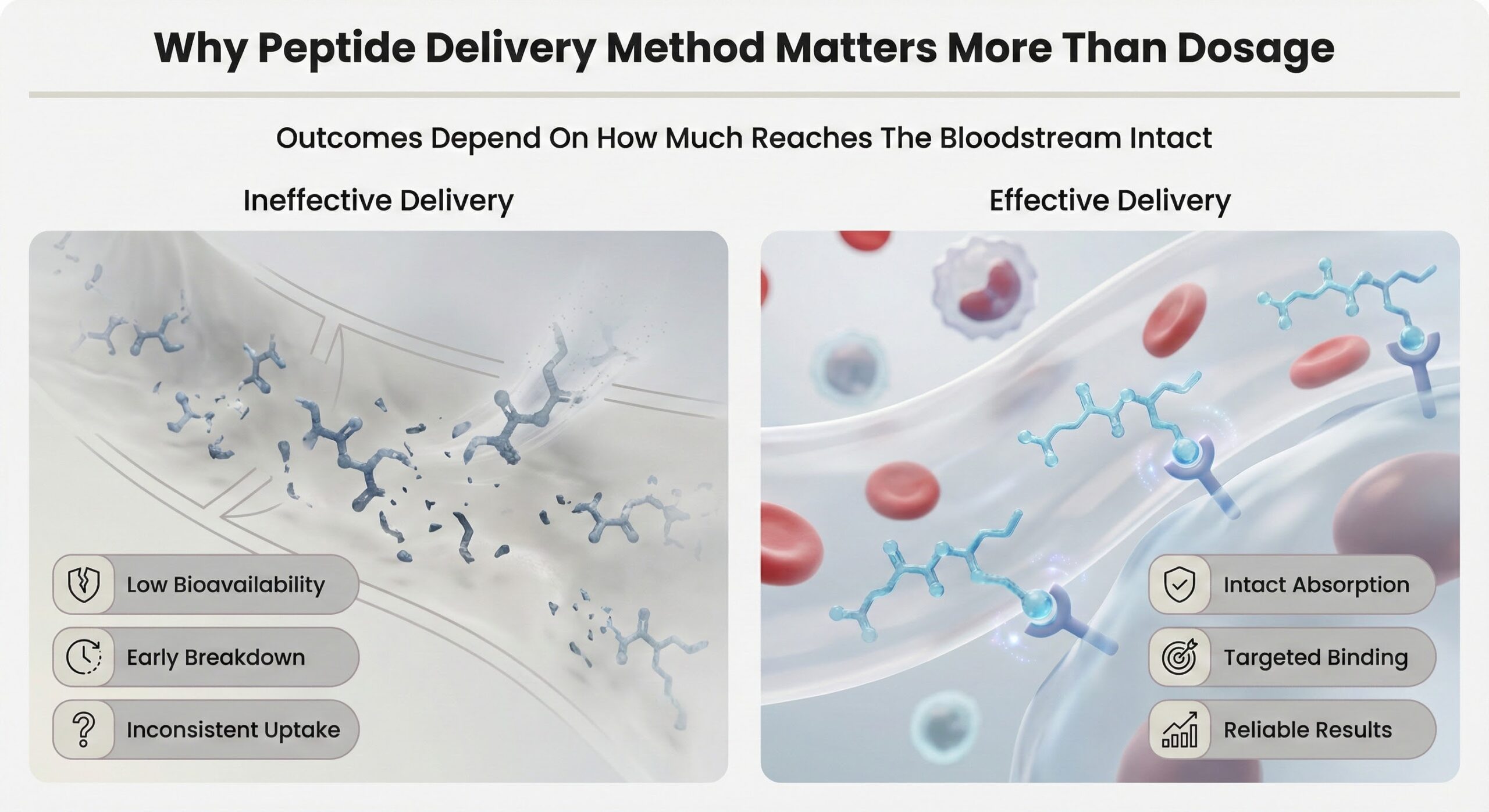
Why Peptide Delivery Method Matters More Than Dosage
Peptides support tissue repair, metabolic function, and recovery by binding to specific receptors throughout the body and triggering beneficial cellular processes. The challenge isn't whether these benefits exist—it's whether the delivery system you choose allows you to experience them consistently. The amount of active peptide that actually reaches your bloodstream intact determines outcomes, and that depends entirely on how you take it.

How Peptides Support Real-World Outcomes
Peptides trigger cellular processes that enhance healing, regulate appetite, and improve performance when they reach target tissues in active form. Unlike small-molecule drugs, peptides are amino acid chains that require protection from enzymes and acidic environments to remain functional. When delivered consistently at therapeutic concentrations, peptides produce reliable outcomes—improved tissue repair, better metabolic control, and enhanced recovery from exercise. The critical factor is ensuring peptides survive the journey from administration to bloodstream without degradation.
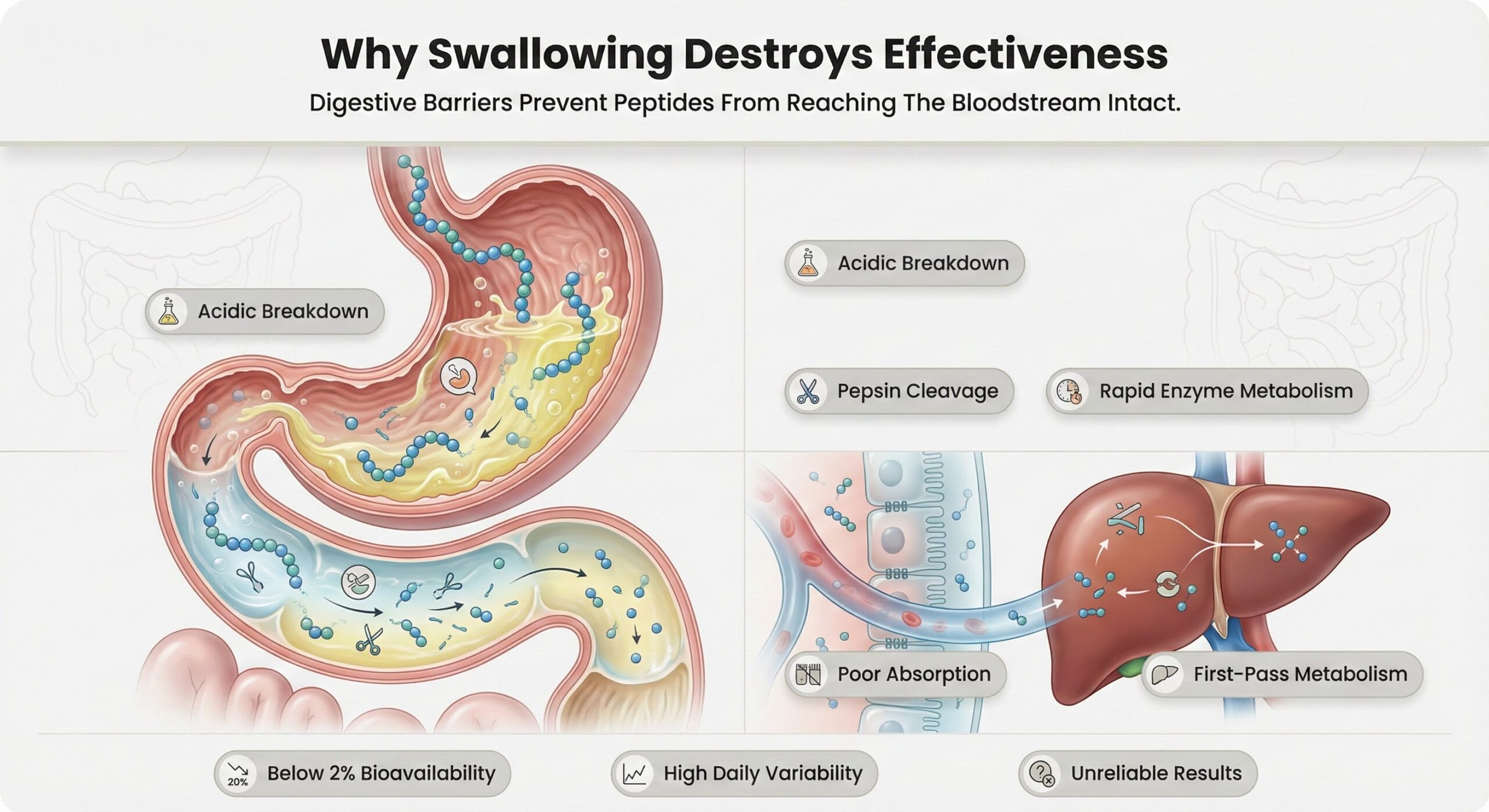
Why Swallowing Destroys Effectiveness
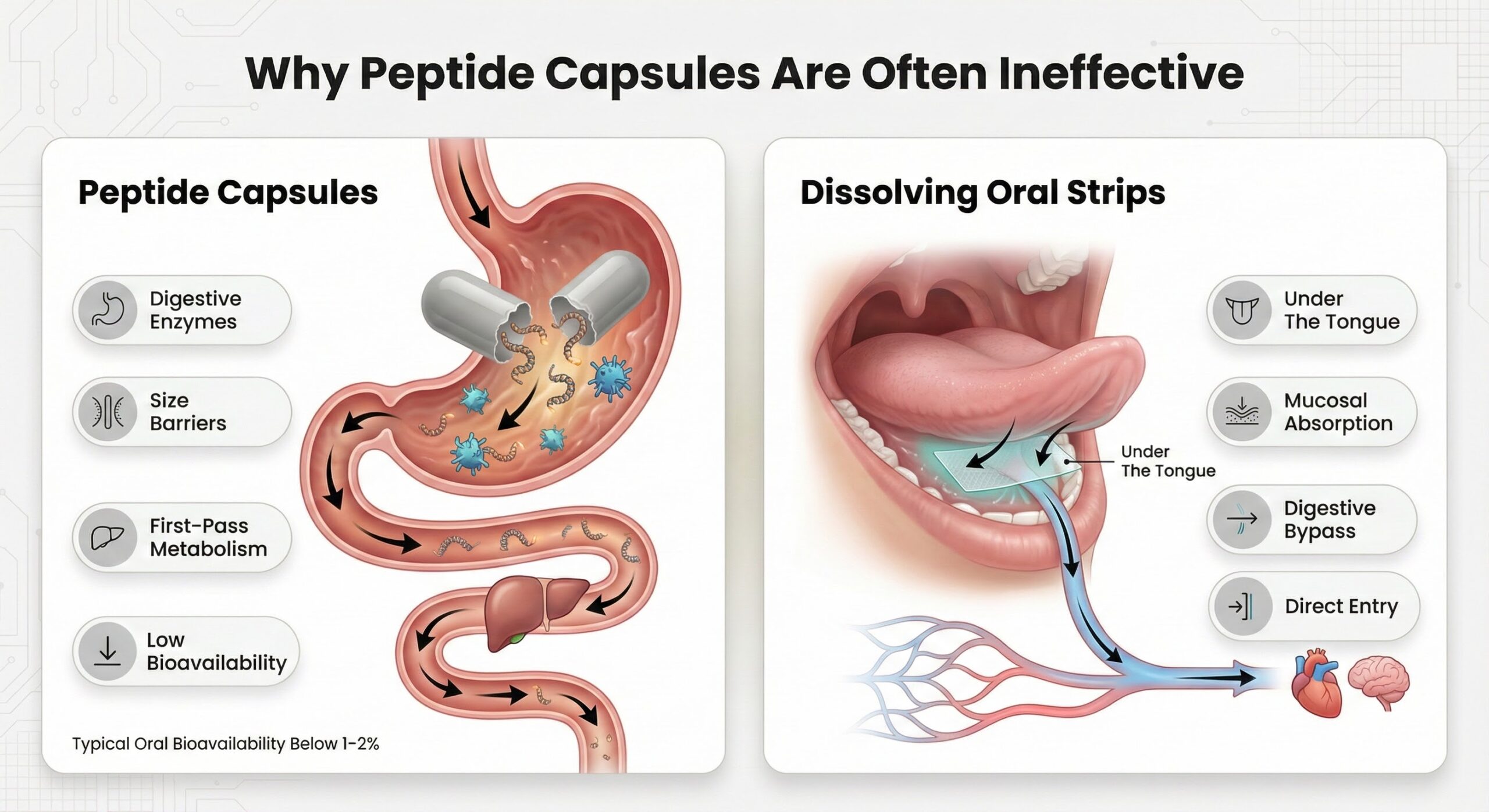
Most peptides taken orally and swallowed demonstrate bioavailability below 1-2%, meaning less than one out of every hundred molecules reaches the bloodstream intact. The stomach and intestines destroy peptides through multiple mechanisms: pepsin cleaves peptide bonds at acidic pH, while pancreatic enzymes including trypsin and chymotrypsin metabolize peptides within minutes in the small intestine. The intestinal epithelium then restricts passage of hydrophilic molecules like peptides, and those that do get absorbed must pass through the liver, where first-pass metabolism eliminates approximately 30-35% before reaching systemic circulation.
This creates highly variable absorption influenced by food status, gastric pH, and gastrointestinal transit time—factors that change daily and make consistent outcomes nearly impossible through swallowed administration.
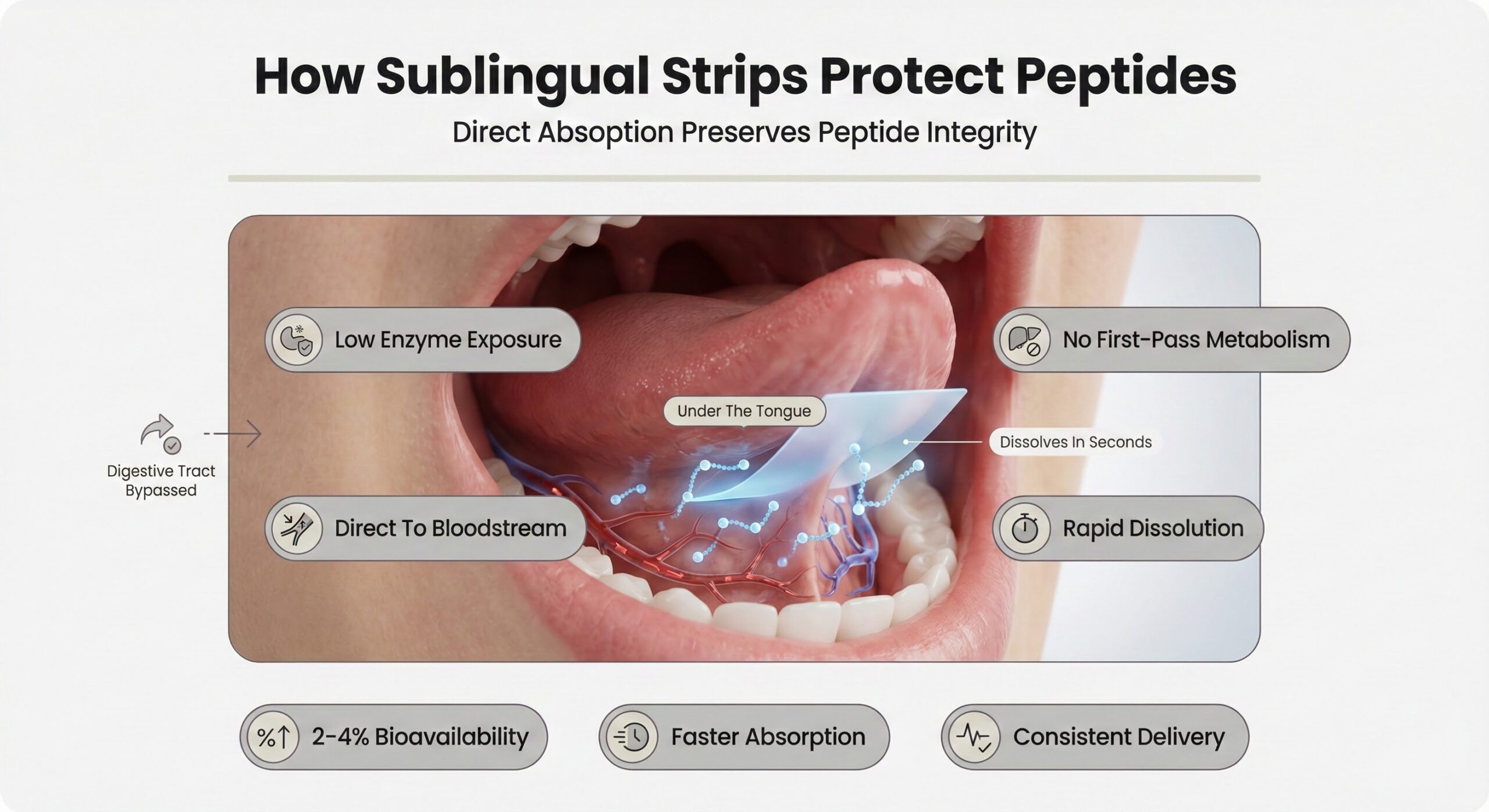
How Sublingual Strips Protect Peptides
Dissolving oral strips deliver peptides beneath the tongue, bypassing the digestive system entirely. The sublingual mucosa has lower enzyme activity than the gastrointestinal tract, allowing peptides to absorb directly into the bloodstream through the rich vascular network beneath the tongue. This route bypasses first-pass hepatic metabolism because absorbed peptides enter systemic circulation without passing through the liver first. Sublingual delivery achieves bioavailability of 2-4% for most peptides in humans—substantially higher than swallowed oral administration—with faster absorption and without dependence on stomach contents or digestive enzyme secretion.[1]
Dissolving films disintegrate within seconds, ensuring the full dose is delivered to the absorption site before saliva washes it away or before inadvertent swallowing occurs. [2]
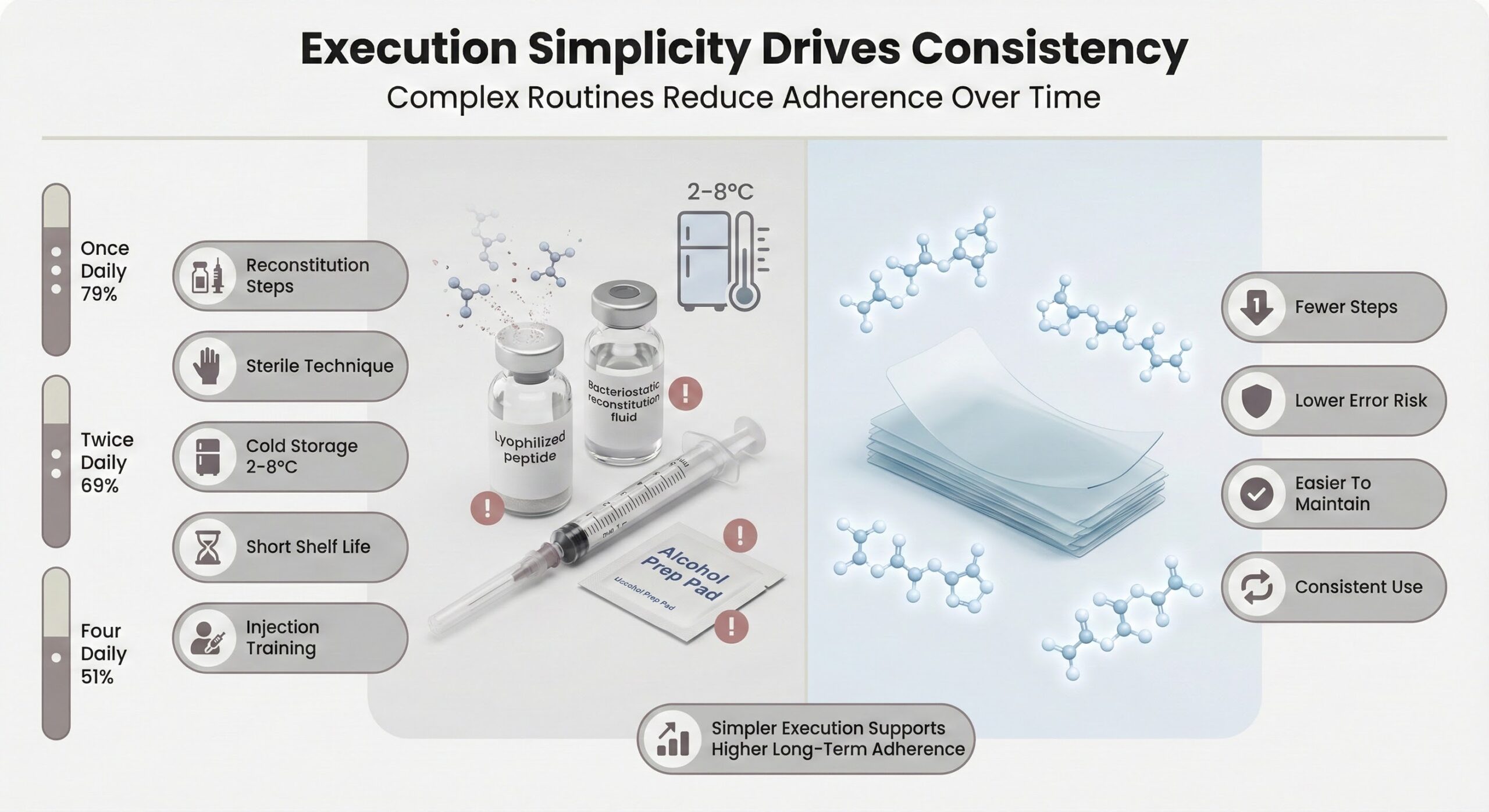
Execution Simplicity Drives Consistency
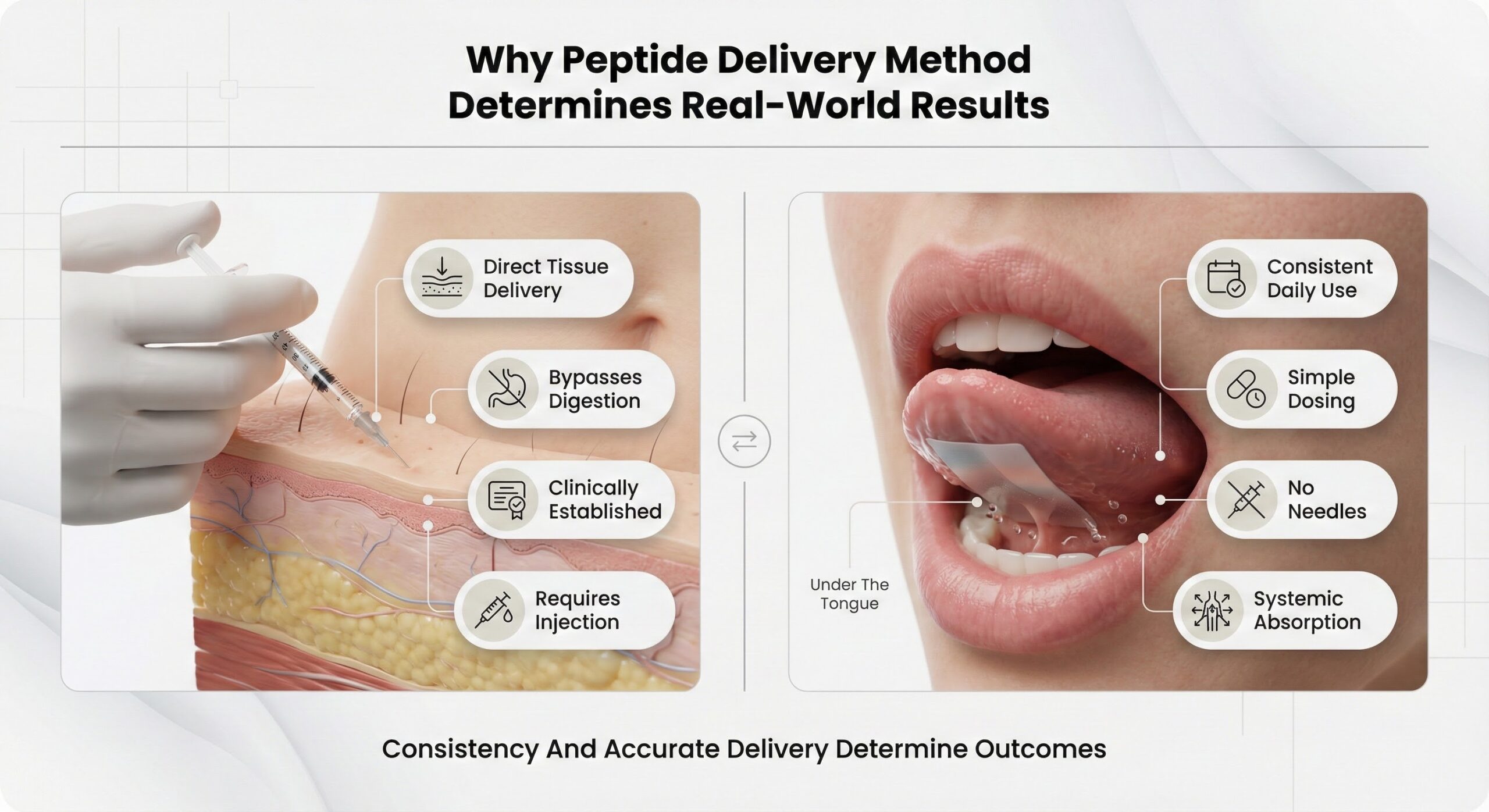
Injectable peptides require reconstitution, sterile technique, proper storage, and administration training—steps that introduce multiple points where user error compromises dosing accuracy. Reconstituted peptides require refrigeration at 2-8°C and have limited shelf life of a few weeks, complicating travel and creating risk of degraded product if storage conditions aren't maintained. Daily subcutaneous injections reduce patient compliance: adherence rates decline from 79% with once-daily regimens to 69% with twice-daily dosing and 51% with four daily doses.
Real-world evidence comparing injectable and oral administration reveals higher compliance with simpler dosing systems. In patients using glucagon-like peptide-1 receptor agonists, weekly injectable formulations showed 64.2% adherence at 12 months compared to 43.8% for daily injections—demonstrating that execution complexity, not route convenience alone, determines whether patients use peptides correctly.[3]
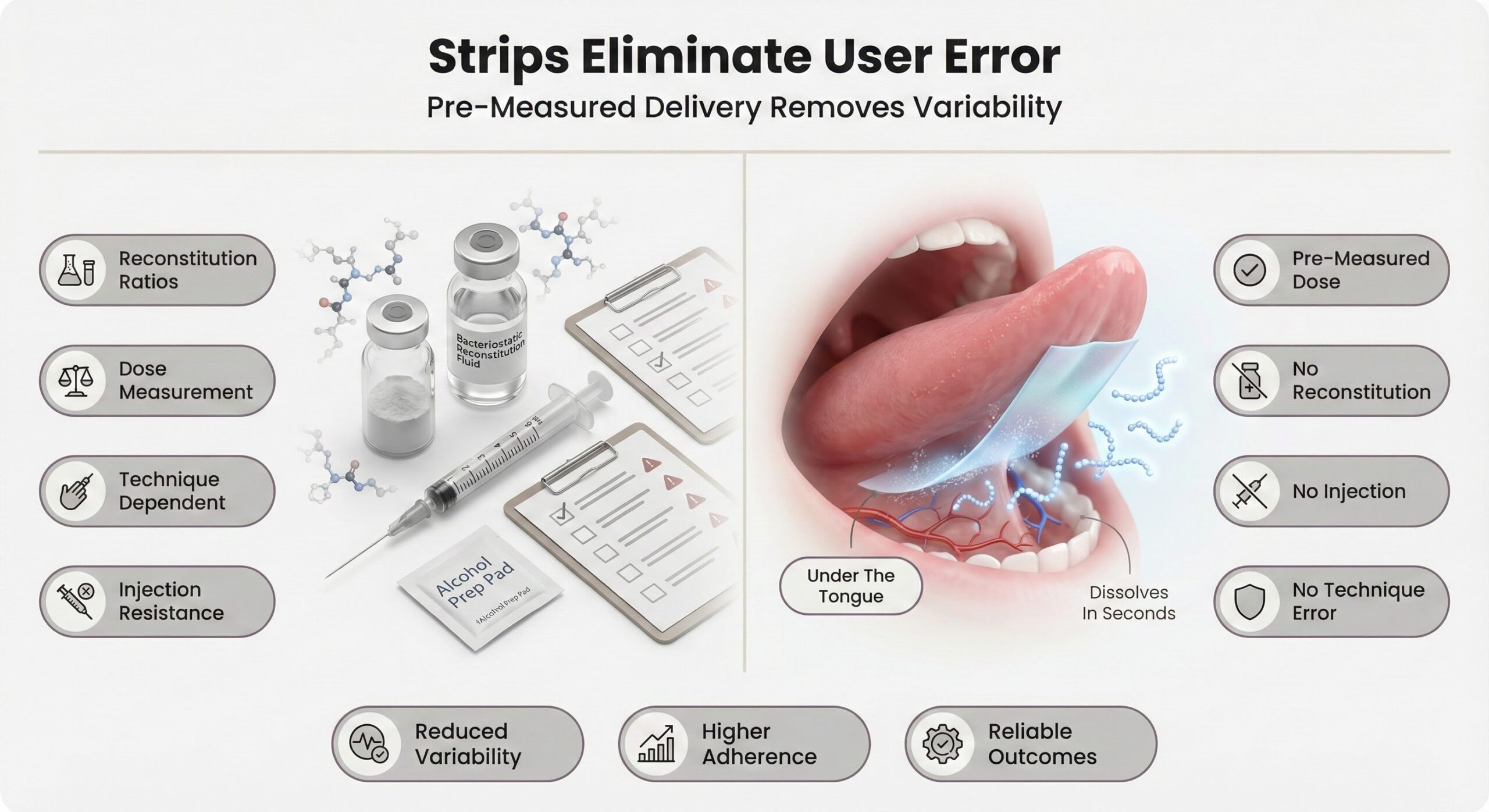
Strips Eliminate User Error
Dissolving oral strips contain a precise, pre-measured dose that requires no reconstitution, no measurement, and no injection. Users place the strip under the tongue where it dissolves in seconds and delivers the peptide directly to the sublingual mucosa. This removes dosing variability: there's no risk of incorrect reconstitution ratios, no measurement error, and no injection technique issues.[2]
Strips also eliminate injection site reactions and the psychological resistance many people have to daily self-injection. For peptides requiring consistent daily use to maintain therapeutic benefits, this reduction in physical and psychological barriers translates directly to better adherence and more reliable outcomes.[3]
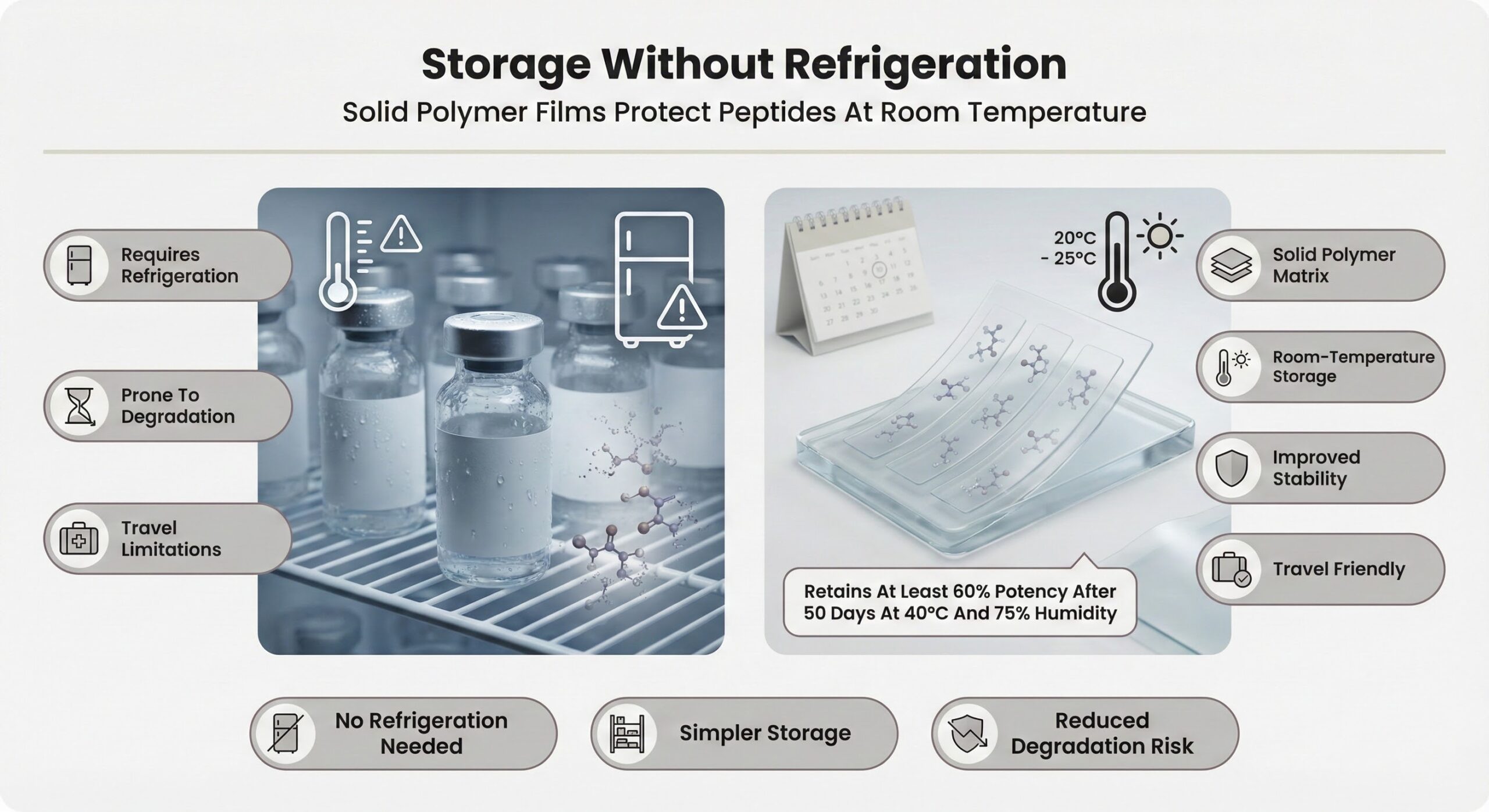
Storage Without Refrigeration
Oral dissolving films incorporate peptides into a solid polymer matrix that protects against degradation and allows room-temperature storage. Studies show that oral disintegrating films retain at least 60% of active compound potency after 50 days at 40°C and 75% relative humidity—conditions that would destroy many reconstituted peptides. This stability advantage means users don't need to worry about refrigeration during travel or whether product left at room temperature has lost potency.
Designed for Sublingual Absorption
High-porosity films allow rapid water or saliva penetration, leading to disintegration times measured in seconds rather than minutes. Mucoadhesive polymers in the film matrix help strips adhere to sublingual tissue, increasing contact time and maximizing absorption before peptides are washed away by saliva. These design features optimize absorption specifically for the sublingual route, enabling peptide delivery without relying on permeation enhancers or enzyme inhibitors that may compromise tissue integrity with long-term use.[4]
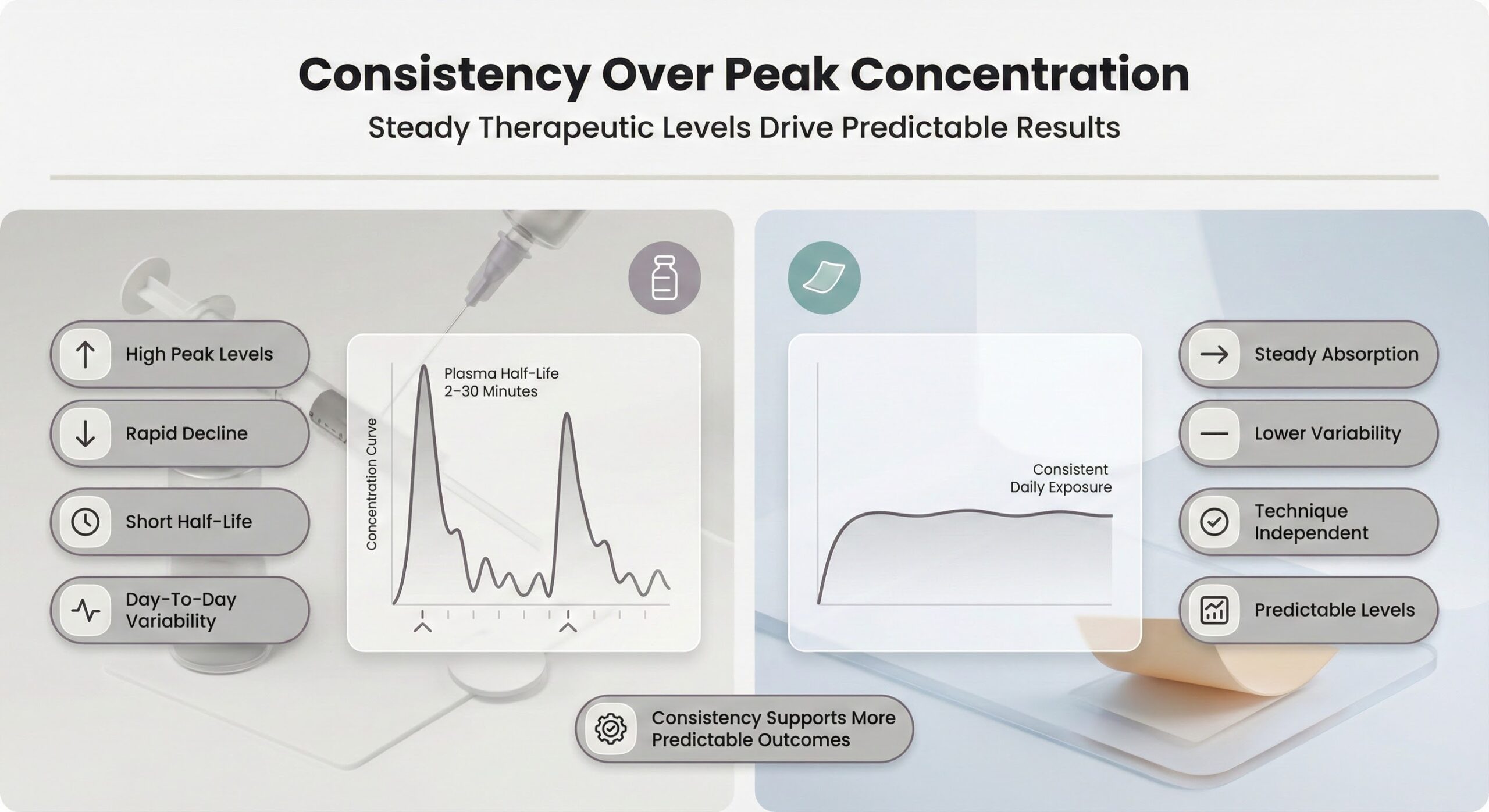
Consistency Over Peak Concentration
Peptides that support metabolic function, tissue repair, or recovery produce better outcomes through steady therapeutic levels over time rather than high peak concentrations that rapidly decline. Most unmodified peptides have plasma half-lives of just 2-30 minutes, meaning effective therapy requires delivery systems that maintain consistent absorption. Injectable administration can achieve high bioavailability, but daily injections with subcutaneous absorption rates that vary by injection site and individual physiology introduce day-to-day variability.[5]
Sublingual strips deliver lower absolute bioavailability than injections but do so with greater consistency because absorption doesn't depend on injection technique, site rotation, or subcutaneous blood flow. For users taking peptides daily to support ongoing goals—whether metabolic optimization, recovery enhancement, or tissue health—this consistency translates to more predictable results and fewer fluctuations in how they feel.[1]
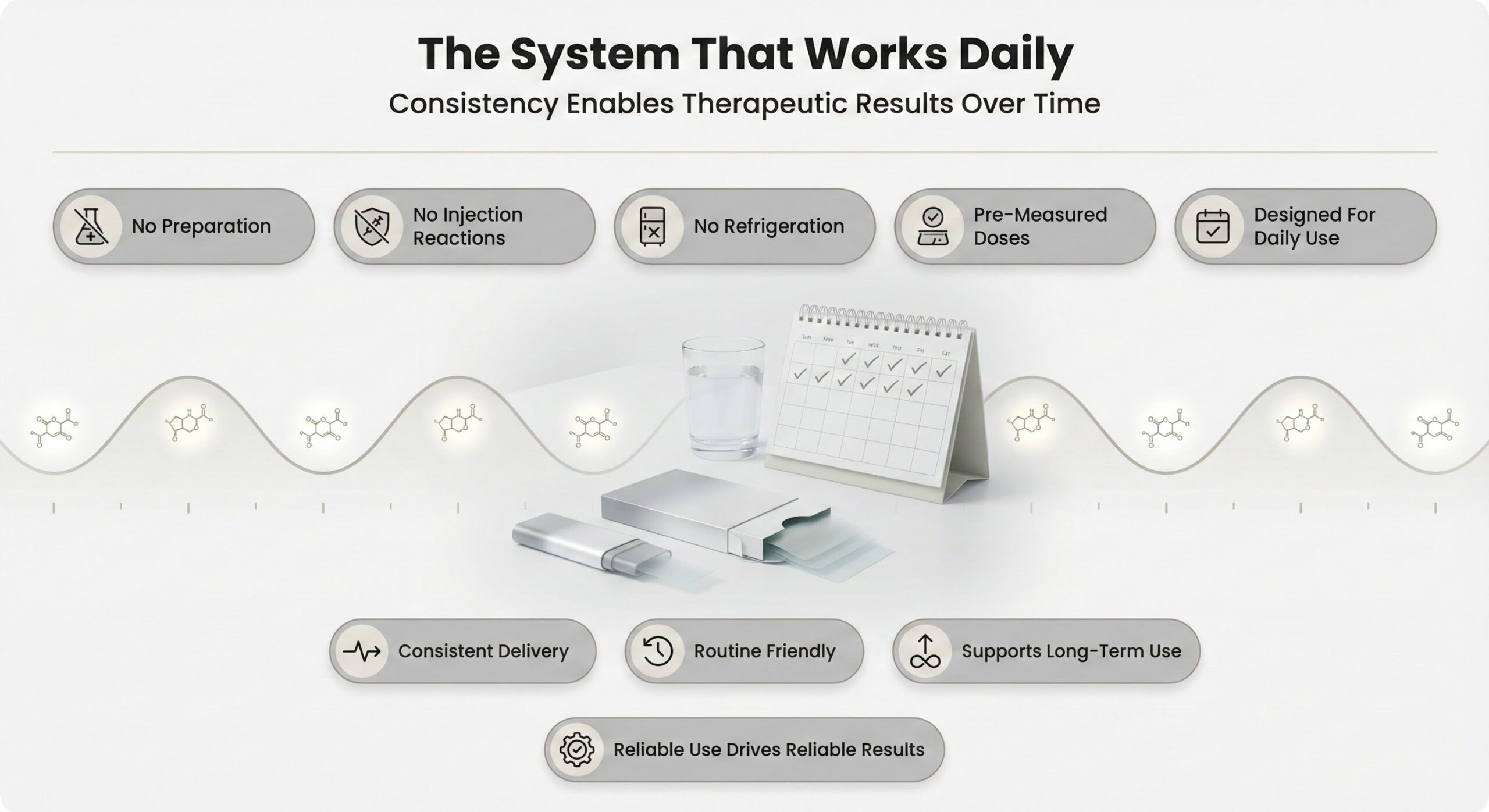
The System That Works Daily
Peptides work when they reach target tissues consistently at therapeutic concentrations. Dissolving oral strips are designed around the reality of daily adherence: they require no preparation, produce no injection site reactions, travel without refrigeration, and deliver consistent doses without user measurement. These practical advantages align with how peptides produce benefits—through reliable, repeated use over weeks and months. The delivery method you choose determines whether that consistency is achievable in real-world use, making how you take peptides as important as which peptides you take.
References
- Wu J et al. "Systemic delivery of proteins using novel peptides via the sublingual route." J Control Release. 2024. [View Study]
- Palezi SC et al. "Oral disintegration films: applications and production methods." J Food Sci Technol. 2023. [View Study]
- Weiss T et al. "Real-World Adherence and Discontinuation of Glucagon-Like Peptide-1 Receptor Agonists Therapy in Type 2 Diabetes Mellitus Patients in the United States." Patient Prefer Adherence. 2020. [View Study]
- Amer AA et al. "Overcoming Oral Cavity Barriers for Peptide Delivery Using Advanced Pharmaceutical Techniques and Nano-Formulation Platforms." Biomedicines. 2025. [View Study]
- Werle M et al. "Strategies to improve plasma half life time of peptide and protein drugs." Amino Acids. 2006. [View Study]
Read More
What GMP Certification Means for Supplement Quality
March 10, 2026
Why Peptide Capsules are Often Ineffective
March 10, 2026
Why Peptide Delivery Method Determines Real-World Results
March 10, 2026