




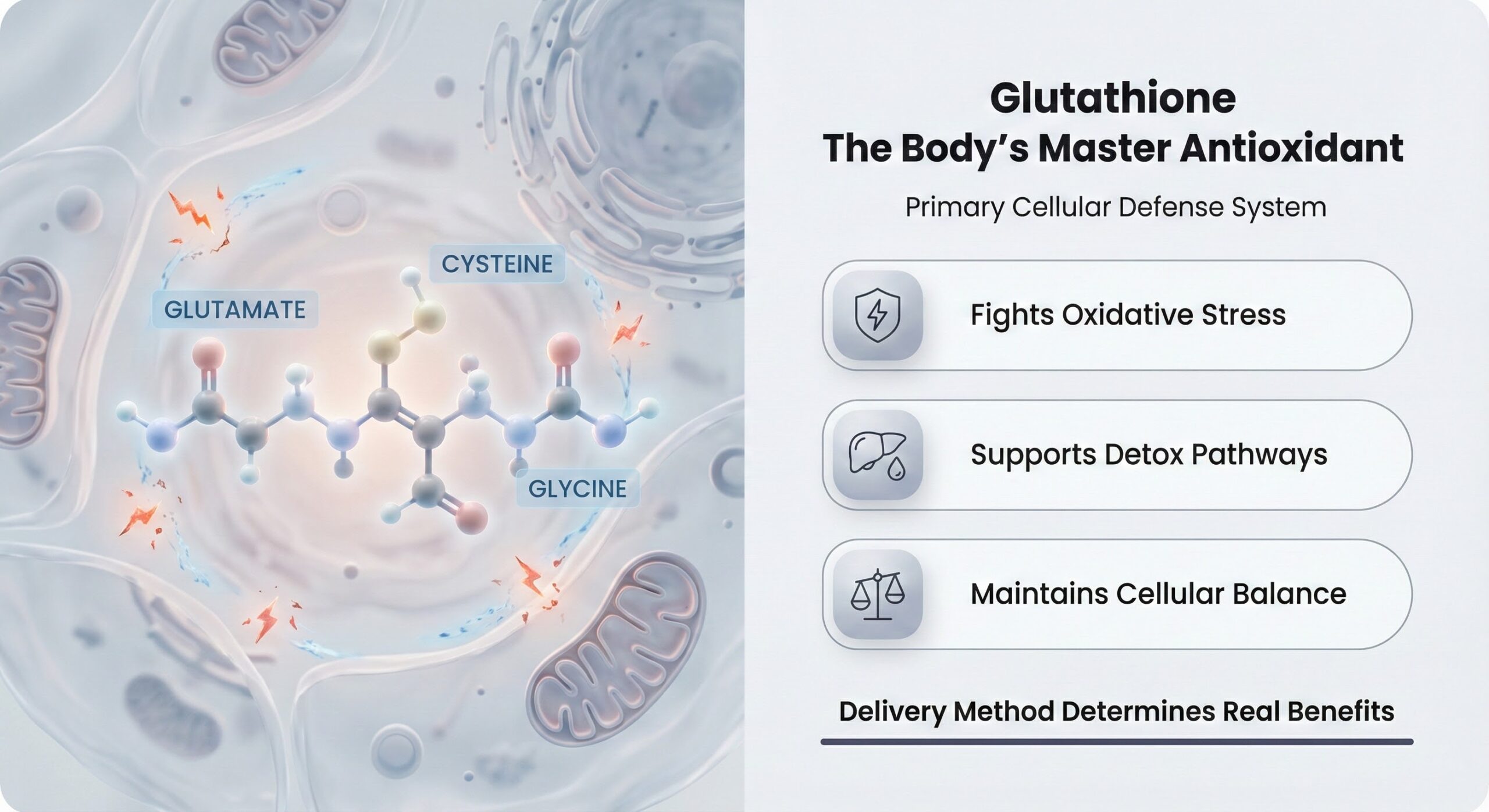
Glutathione: The Body's Master Antioxidant Explained
Glutathione is a tripeptide composed of three amino acids—glutamate, cysteine, and glycine—that serves as your body's primary defense against cellular damage. Present in every cell at high concentrations, this molecule protects against oxidative stress, supports detoxification pathways, and maintains the delicate balance that keeps cells functioning optimally. Understanding how glutathione works and why delivery method determines whether you actually experience its protective benefits is essential for anyone considering supplementation.[1]
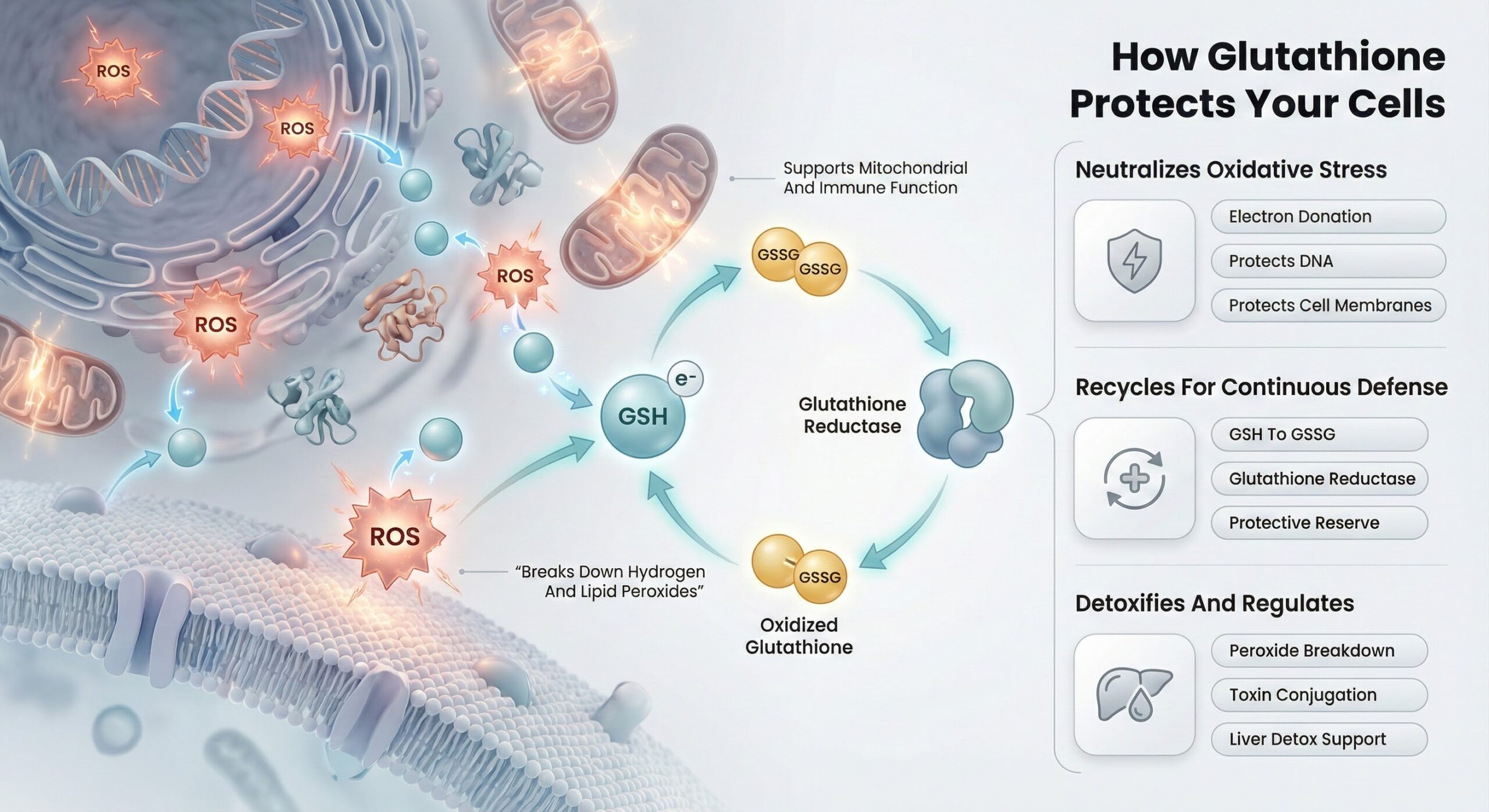
How Glutathione Protects Your Cells
Glutathione operates through interconnected systems that neutralize threats and repair cellular damage. When unstable molecules called reactive oxygen species form during normal metabolism, glutathione donates electrons to stabilize them, preventing damage to DNA, proteins, and cell membranes. This process temporarily oxidizes glutathione from its active reduced form (GSH) to its oxidized form (GSSG), but your body continuously recycles it back through the enzyme glutathione reductase, maintaining a protective reservoir.
Beyond direct antioxidant activity, glutathione works as a cofactor for specialized enzymes like glutathione peroxidase that break down hydrogen peroxide and lipid peroxides before they can damage cell membranes. It also binds to toxins through conjugation reactions, transforming harmful compounds into water-soluble forms your body can safely eliminate—a process particularly critical in liver detoxification. These cellular functions support mitochondrial health, regulate gene expression, and modulate immune cell activation.
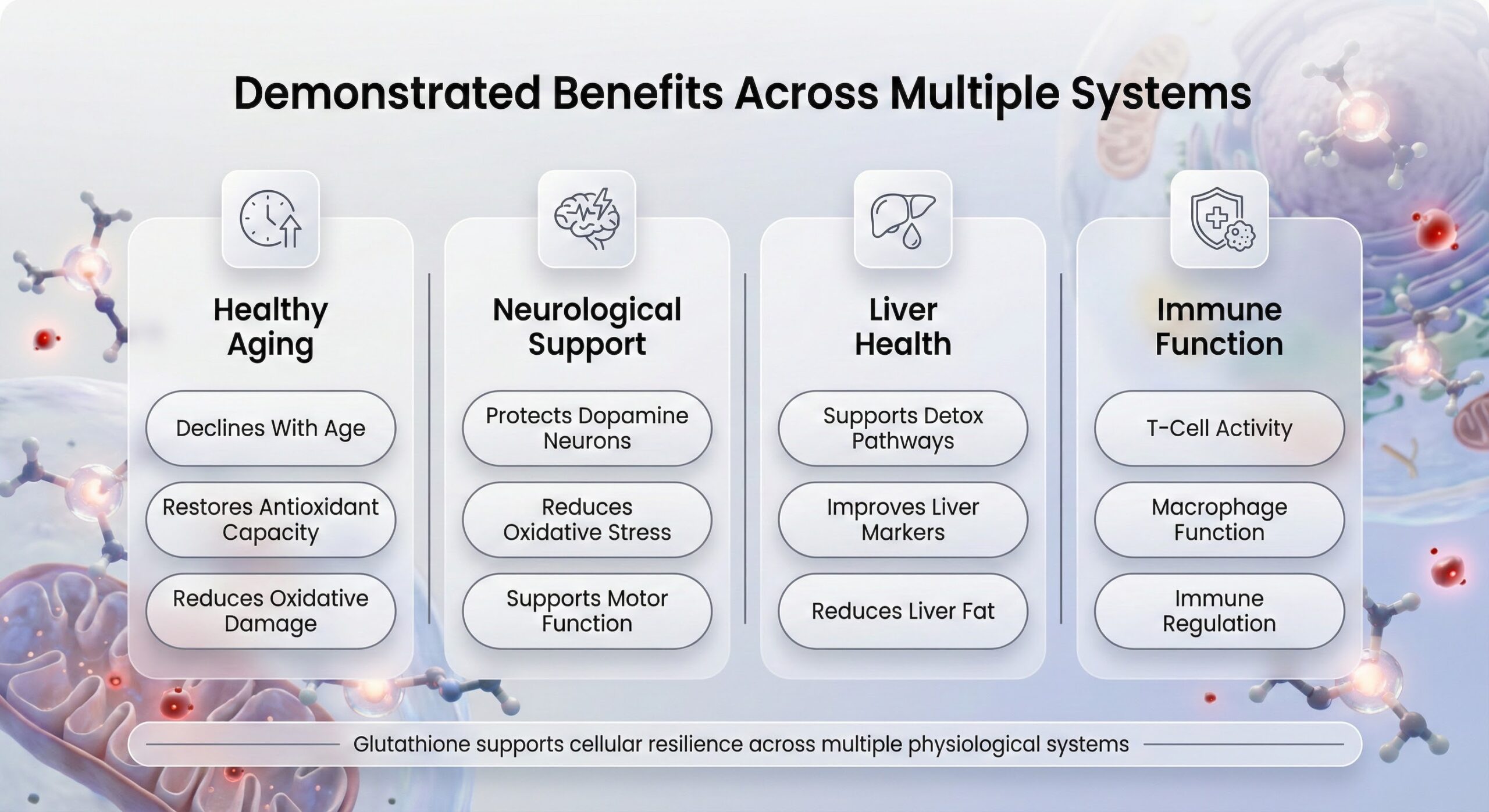
Demonstrated Benefits Across Multiple Systems
Glutathione's protective effects extend across several health domains. In aging, glutathione levels decline significantly as synthesis slows by approximately 45% in elderly individuals compared to younger adults. Supplementation with the precursor amino acids cysteine and glycine has been shown to restore glutathione levels and reduce markers of oxidative damage in older populations.
For individuals with Parkinson's disease, glutathione may provide mild improvement in motor symptoms. In liver disease, oral glutathione at 300 mg daily for four months reduced ALT (a liver inflammation marker) and decreased liver fat in patients with non-alcoholic fatty liver disease. Glutathione also plays essential roles in immune function by directly affecting T-cell and macrophage activity required for effective immune response.[2]

The Delivery Challenge: Why Most Oral Glutathione Fails
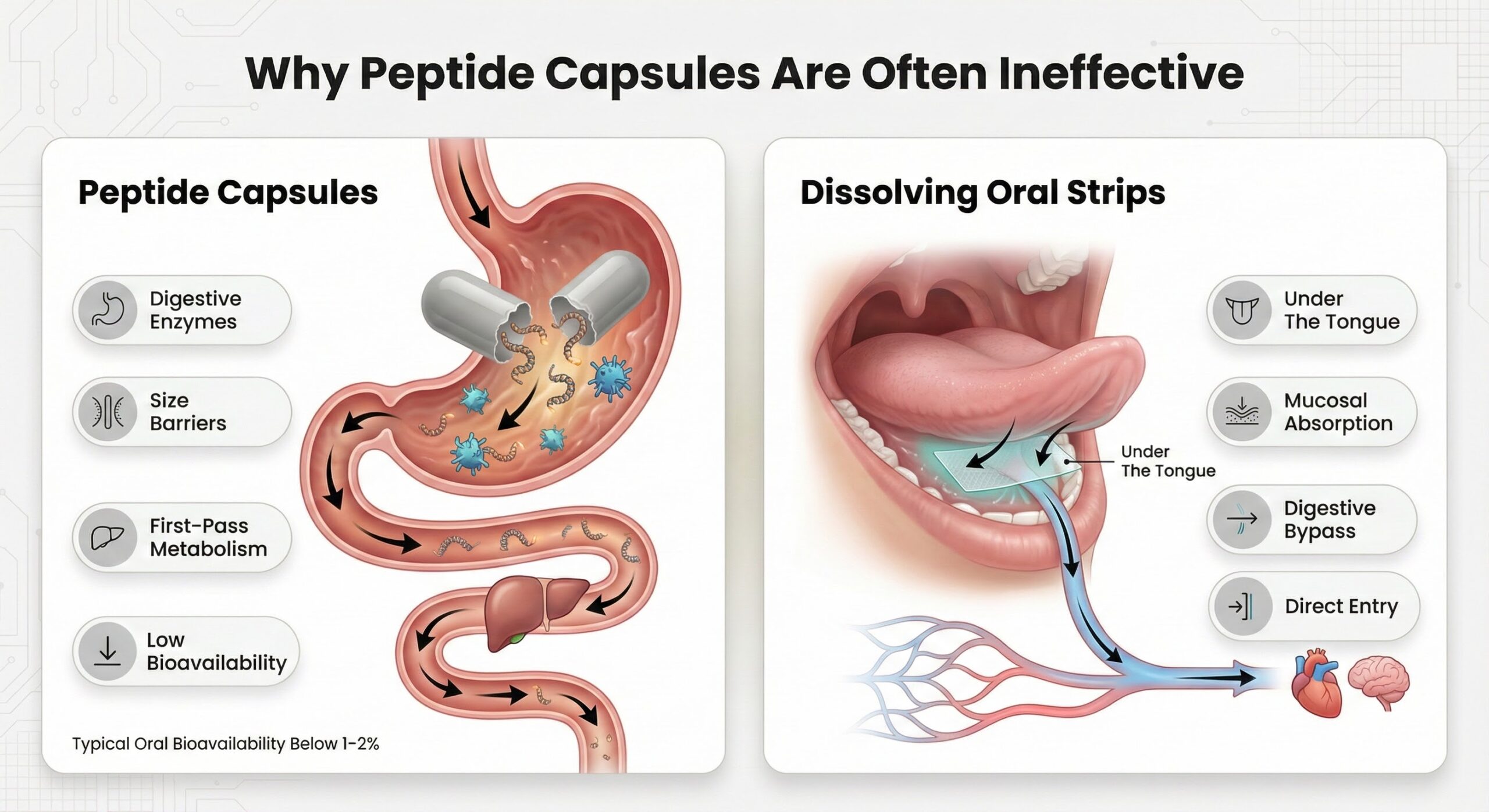
The central challenge with glutathione supplementation lies in a fundamental problem: as a peptide, it's rapidly destroyed during digestion before it can reach your bloodstream. When you swallow traditional oral glutathione, enzymes in your gastrointestinal tract—particularly γ-glutamyltransferase and various peptidases—break down the tripeptide structure, preventing systemic absorption. Studies indicate that conventional oral glutathione has bioavailability below 1% due to enzymatic degradation and poor gastrointestinal absorption.
First-pass hepatic metabolism compounds this problem, as glutathione that does survive the digestive tract gets further broken down when it passes through the liver. This enzymatic gauntlet makes traditional oral supplementation inefficient and inconsistent—you're essentially hoping a small fraction survives long enough to reach circulation.
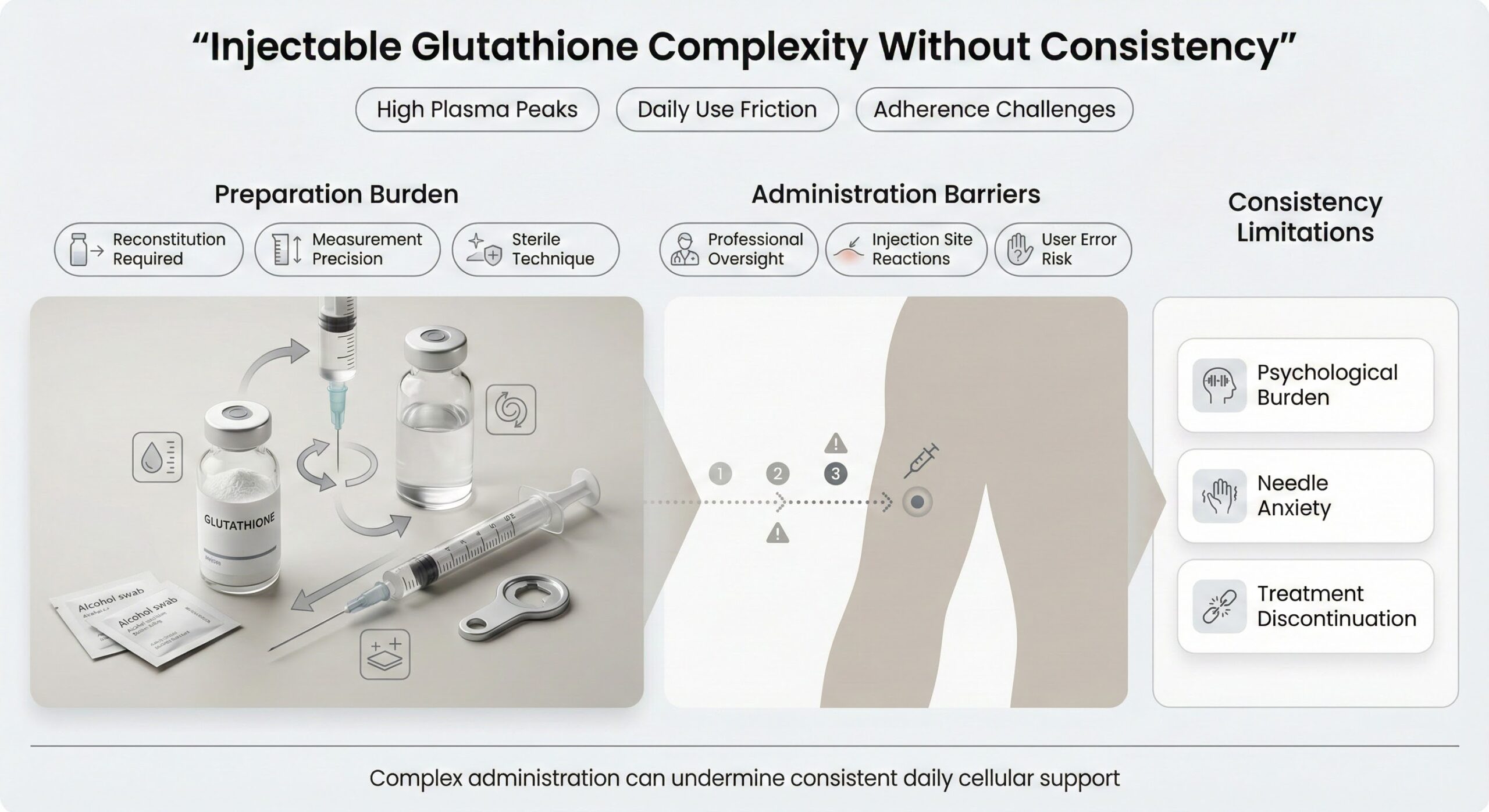
Injectable Glutathione: Complexity Without Consistency
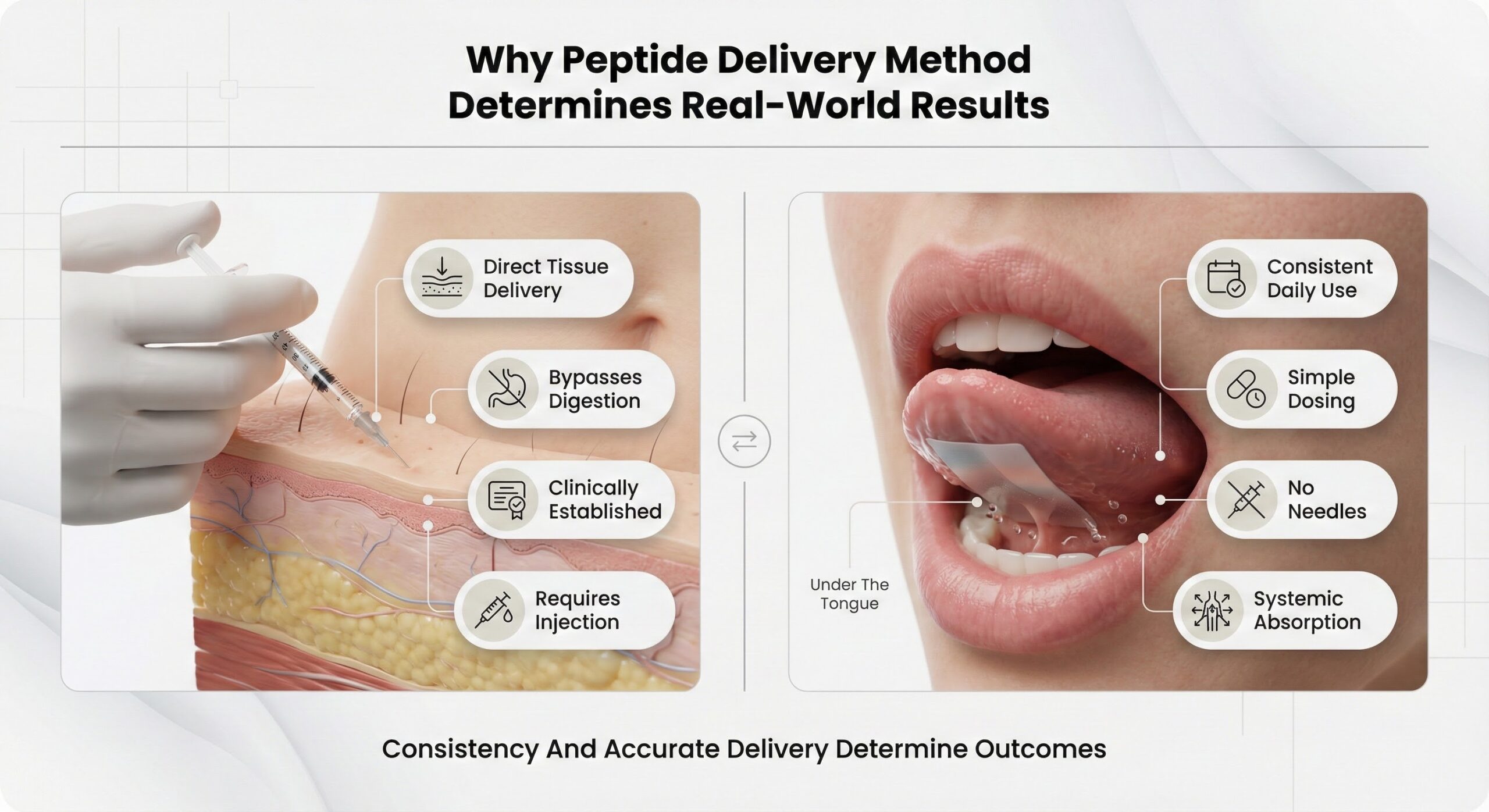
Intravenous glutathione produces high plasma concentrations, but this route introduces significant practical barriers to consistent use. Each injection requires proper preparation, sterile technique, and often professional administration. For a compound intended to support daily cellular protection, these logistics create friction that undermines adherence.
The complexity of reconstitution, measurement precision required, and injection-site reactions create multiple points of potential user error and discomfort. Patients have reported serious side effects including anaphylaxis requiring hospitalization and kidney strain when these procedures are not administered properly. The psychological burden of frequent injections can lead to treatment discontinuation, particularly among those with needle anxiety.
Why Oral Strips Solve the Consistency Problem
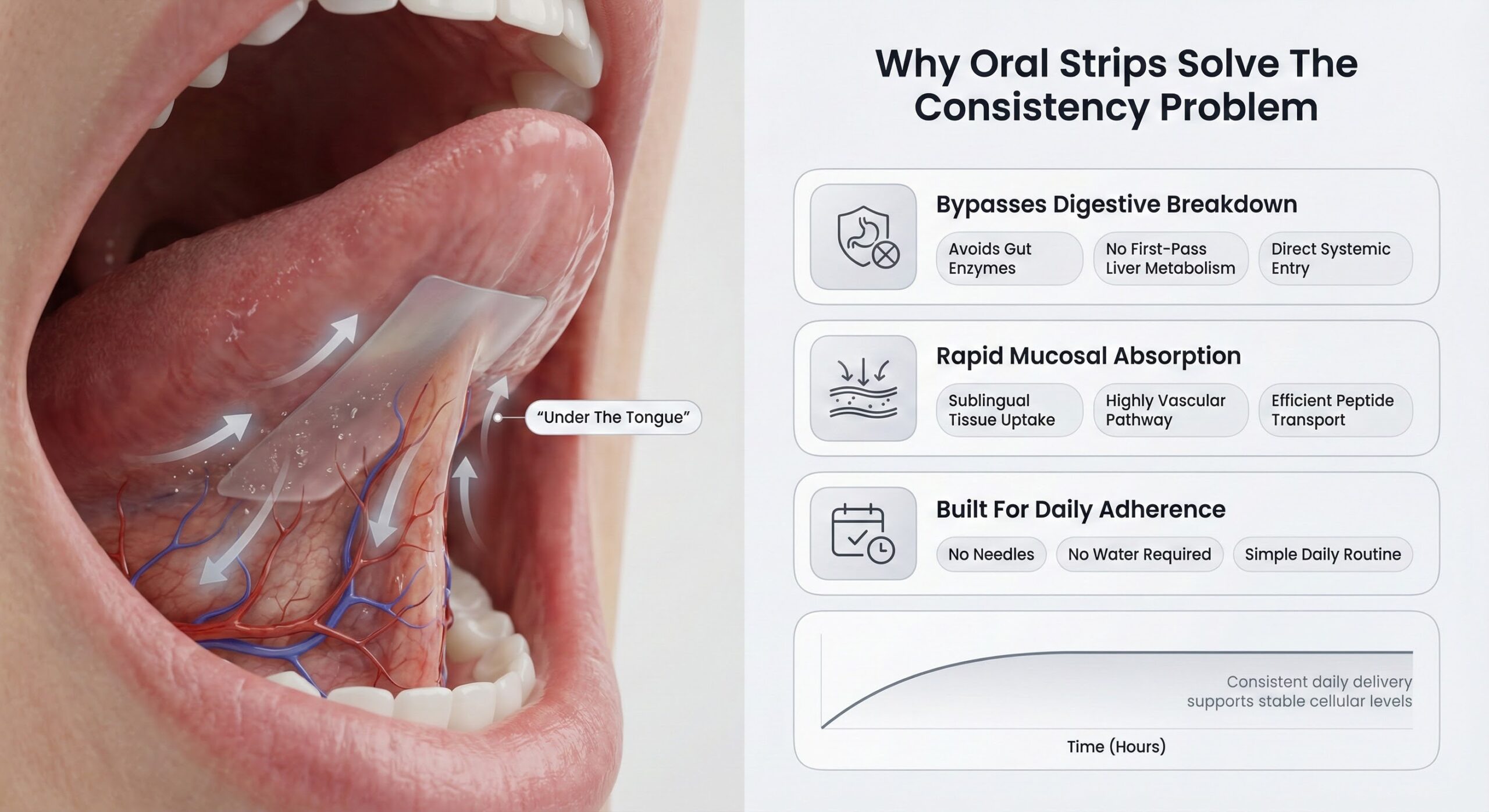
Dissolving oral strips represent a fundamentally different approach that addresses both the bioavailability problem and the adherence challenge. When glutathione is delivered through the mucosa—the tissue lining under your tongue—it bypasses the digestive enzymes that destroy conventional oral supplements. Peptides absorbed through oral mucosa enter systemic circulation directly, avoiding first-pass hepatic metabolism that degrades glutathione.[3]
Research on sublingual glutathione delivery demonstrates enhanced bioavailability compared to traditional oral forms, with optimized formulations showing 55% absorption after 10 minutes and approximately 70% after 30 minutes. The mechanism relies on the organized lipid structure of oral epithelium and the rich vascularity of sublingual tissue, which facilitate rapid absorption.
The practical advantages of strips extend beyond absorption efficiency. Fast-dissolving films disintegrate within seconds upon contact with saliva, requiring no water and eliminating the setup complexity of injections. This convenience translates directly to improved adherence—real-world data on oral versus injectable peptide medications shows that oral formulations achieve superior long-term adherence rates specifically because they remove barriers to consistent daily use. At one year, oral peptide formulations demonstrated mean adherence rates of 82.4% with 65.1% of patients maintaining high adherence, compared to lower rates for injectable forms.
Effectiveness Through Reliable Daily Use
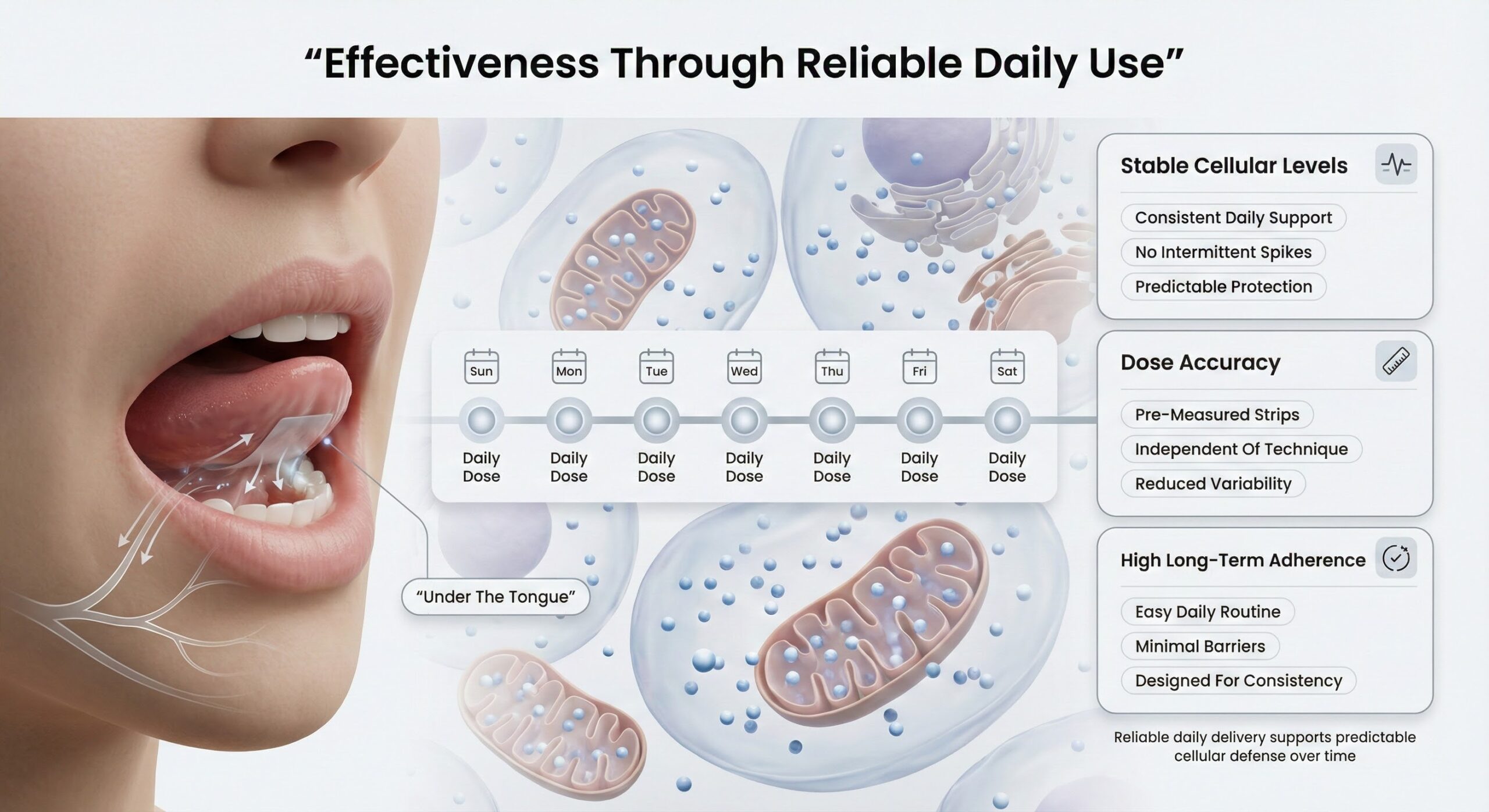
The distinguishing feature of oral strips isn't theoretical absorption superiority—it's the elimination of variables that prevent consistent use. Glutathione's protective effects depend on maintaining stable cellular levels over time, not achieving intermittent plasma spikes. A delivery system that patients actually use every day produces better outcomes than one with higher peak levels but poor adherence due to complexity, discomfort, or psychological barriers.
Each fast-dissolving strip contains dose-accurate amounts independent of user technique, reducing variability in response. Oral glutathione supplementation studies have demonstrated high compliance with minimal adverse effects when formulations are easy to use. When you bypass the gastrointestinal degradation pathway entirely, you fundamentally change how much active compound reaches circulation and how reliably that happens with each dose. This consistency transforms supplementation from an exercise in hoping for absorption to a predictable daily intervention that supports your cellular defense systems.[3]
References
- Silvagno F et al. "The Role of Glutathione in Protecting against the Severe Inflammatory Response Triggered by COVID-19." Antioxidants (Basel). 2020. [View Study]
- Sinha R et al. "Oral supplementation with liposomal glutathione elevates body stores of glutathione and markers of immune function." Eur J Clin Nutr. 2018. [View Study]
- Sharma DK et al. "Augmented Glutathione Absorption from Oral Mucosa and its Effect on Skin Pigmentation: A Clinical Review." Clin Cosmet Investig Dermatol. 2022. [View Study]
- Honda Y et al. "Efficacy of glutathione for the treatment of nonalcoholic fatty liver disease: an open-label, single-arm, multicenter, pilot study." BMC Gastroenterol. 2017. [View Study]
- Wang HL et al. "Potential use of glutathione as a treatment for Parkinson's disease." Exp Ther Med. 2021. [View Study]
- Honda Y et al. "Efficacy of glutathione for the treatment of nonalcoholic fatty liver disease: an open-label, single-arm, multicenter, pilot study." BMC Gastroenterol. 2017. [View Study]
- Yin N et al. "Enhancing the Oral Bioavailability of Glutathione Using Innovative Analogue Approaches." Pharmaceutics. 2025. [View Study]
- Mischley LK et al. "Phase IIb Study of Intranasal Glutathione in Parkinson's Disease." J Parkinsons Dis. 2017. [View Study]
Read More
What GMP Certification Means for Supplement Quality
March 10, 2026
Why Peptide Capsules are Often Ineffective
March 10, 2026
Why Peptide Delivery Method Determines Real-World Results
March 10, 2026