




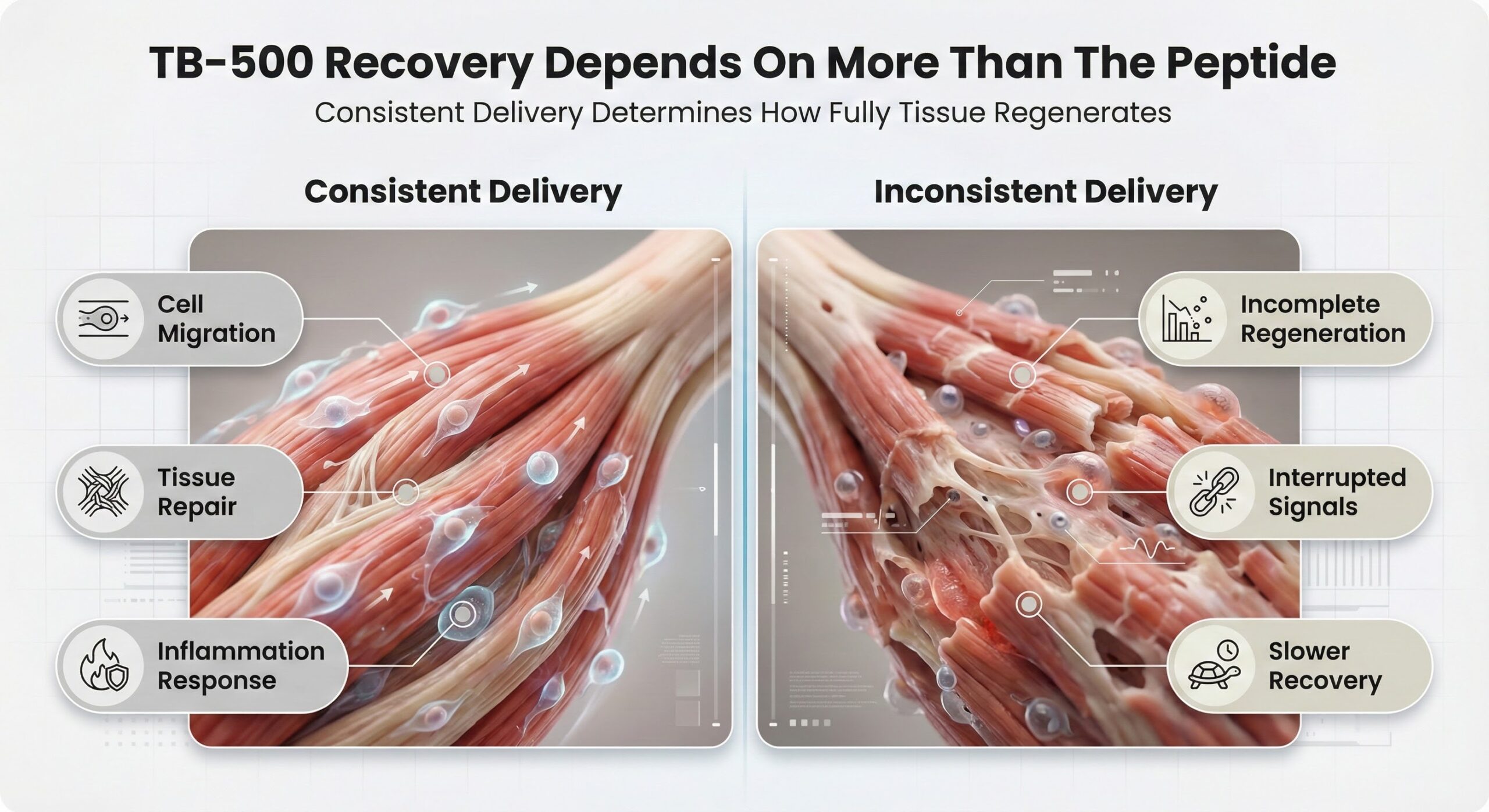
TB-500: Why Recovery Depends on More Than the Peptide Itself
TB-500 accelerates tissue repair by regulating how cells move, rebuild, and respond to injury. For anyone recovering from muscle strain, tendon damage, or slow-healing wounds, this peptide addresses the underlying cellular processes that determine how quickly—and how completely—damaged tissue regenerates. The challenge isn't whether TB-500 works; it's whether your delivery method allows you to use it consistently enough to see those benefits.
What TB-500 Actually Does in Your Body
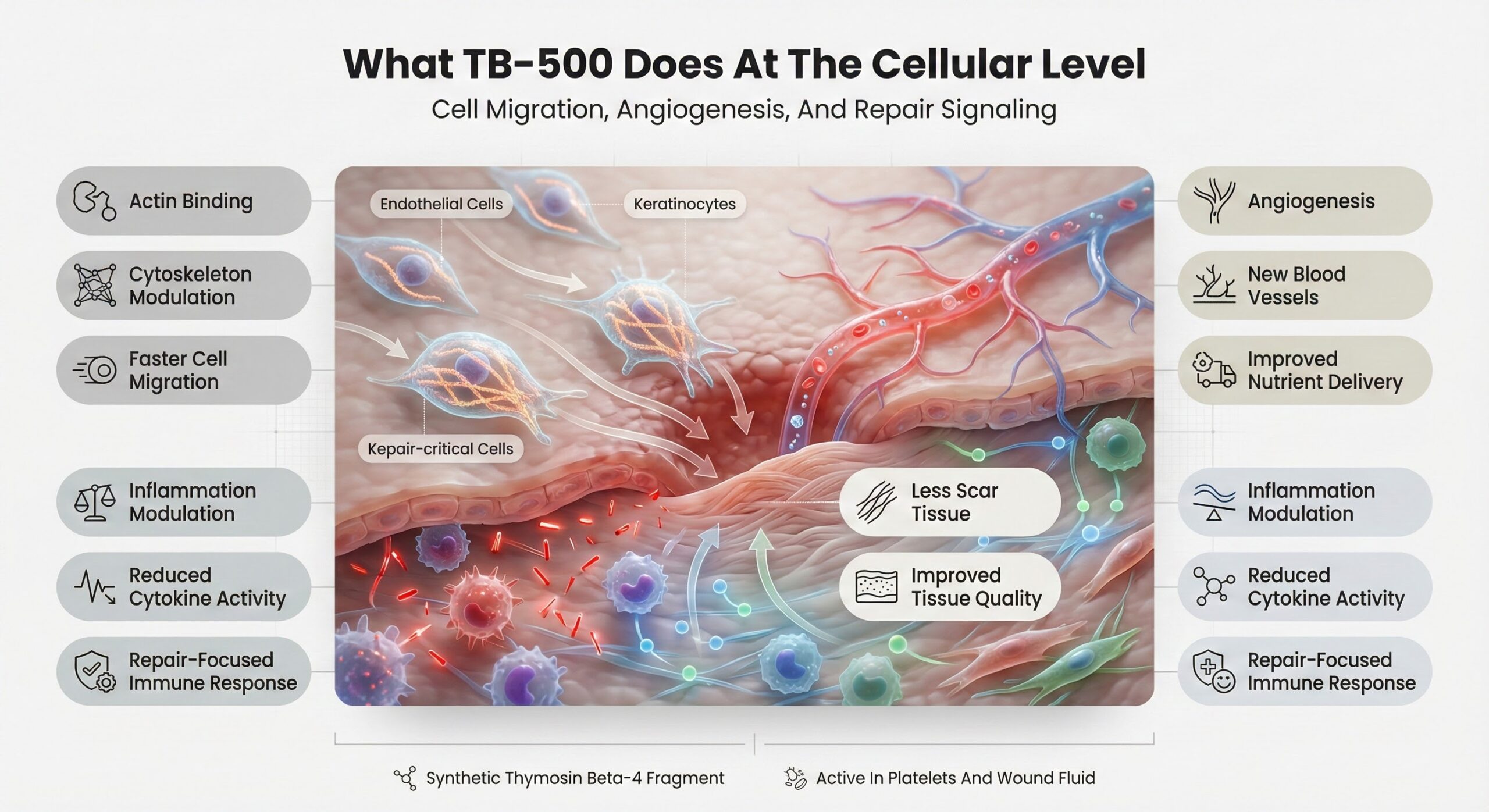
TB-500 regulates actin-mediated cell migration and angiogenesis—the core processes that determine how quickly damaged tissue regenerates. As a synthetic fragment of thymosin beta-4, a protein concentrated in blood platelets and wound fluid, it activates the cellular machinery responsible for moving repair cells to injury sites and establishing the vascular networks needed for sustained healing.[1]
TB-500 binds to actin monomers and keeps them available for rapid restructuring, which means endothelial cells, keratinocytes, and other repair-critical cells can reach injury sites faster and begin rebuilding tissue more efficiently. When tissue is damaged, your body needs repair cells to move quickly to the affected area, and TB-500 facilitates this migration by modulating the actin cytoskeleton and influencing the expression of genes involved in cell movement.
Beyond cell migration, TB-500 promotes angiogenesis—the formation of new blood vessels—which improves nutrient delivery to damaged tissue. It also modulates inflammation by downregulating pro-inflammatory cytokines and shifting immune cells toward a repair-focused state rather than a prolonged inflammatory response. This combination of effects means TB-500 doesn't just speed healing; it reduces excessive scar tissue formation and improves the functional quality of repaired tissue.youtube.
How TB-500 Supports Different Types of Recovery
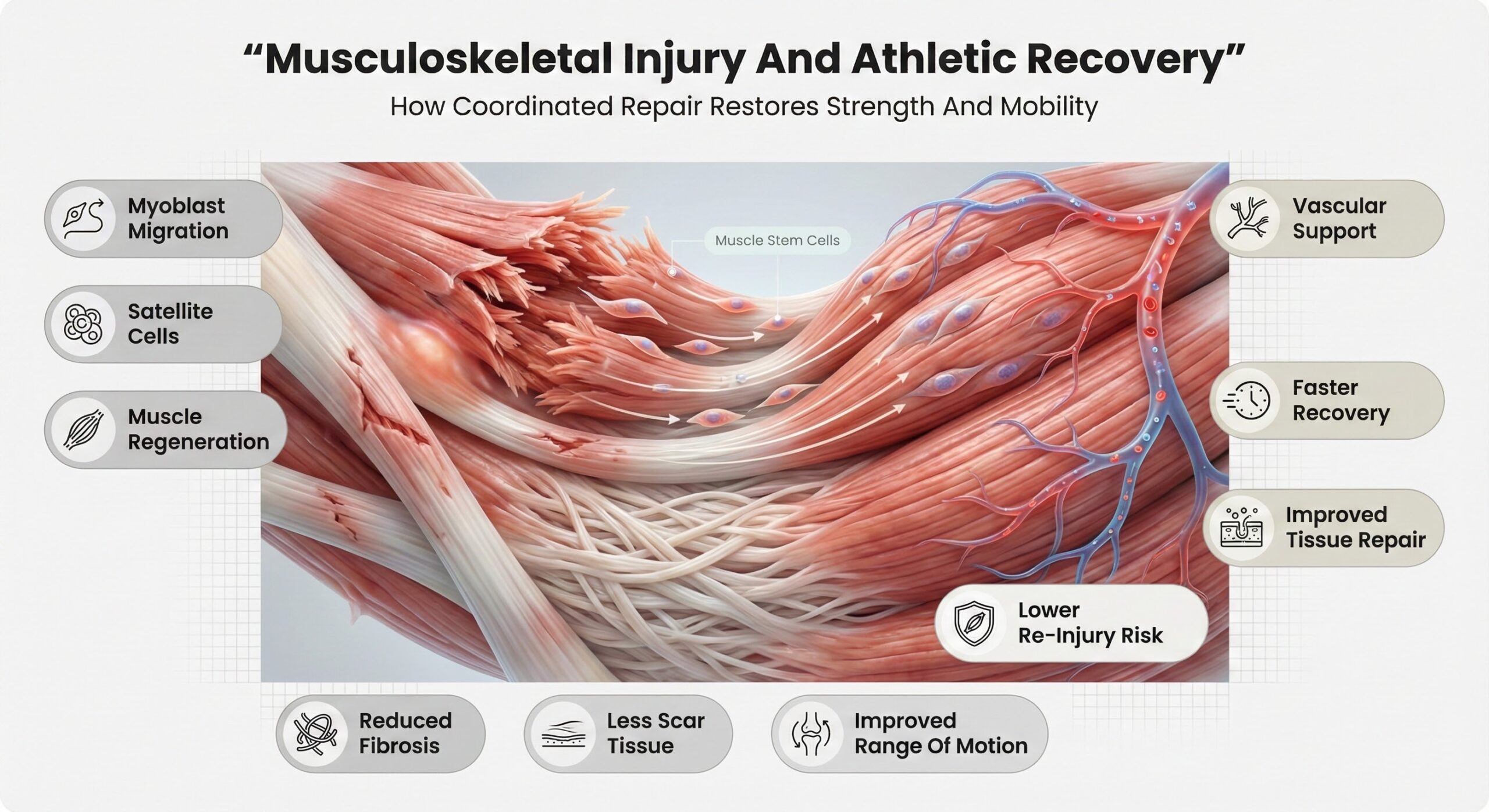
Musculoskeletal Injury and Athletic Recovery
Muscle fibers, tendons, and ligaments all rely on coordinated cell migration and vascular support to heal effectively. TB-500 accelerates recovery from muscle tears and tendon strains by stimulating the migration of myoblasts and satellite cells—the muscle stem cells responsible for regeneration. It also reduces fibrosis, the formation of stiff scar tissue that limits range of motion and increases re-injury risk.
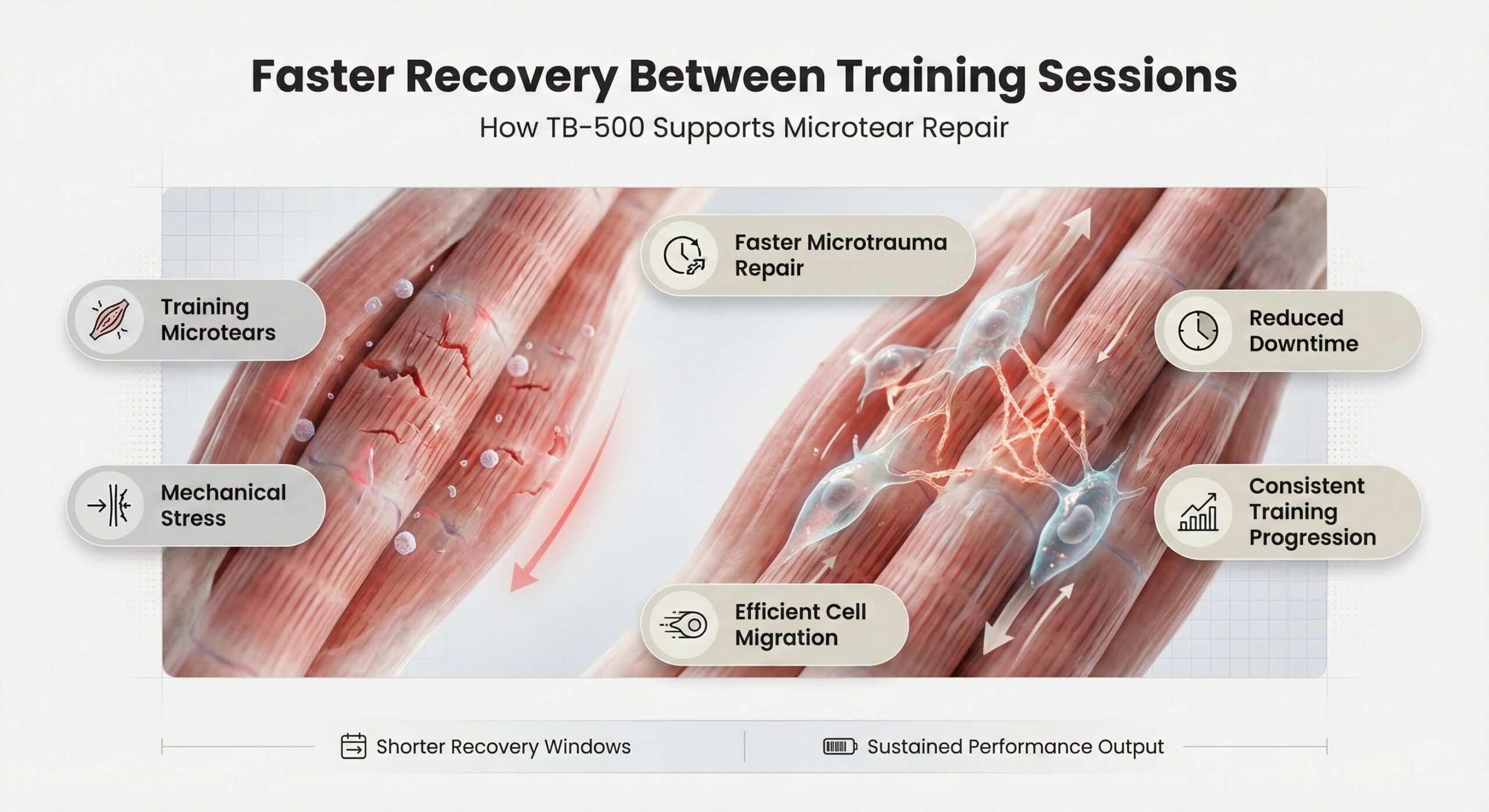
Athletes and active individuals experience microtears during intense training, and how quickly those microtears resolve determines recovery time between sessions. TB-500 supports faster repair of these microtraumas, which translates to less downtime and more consistent training progression.
Wound Healing and Tissue Repair
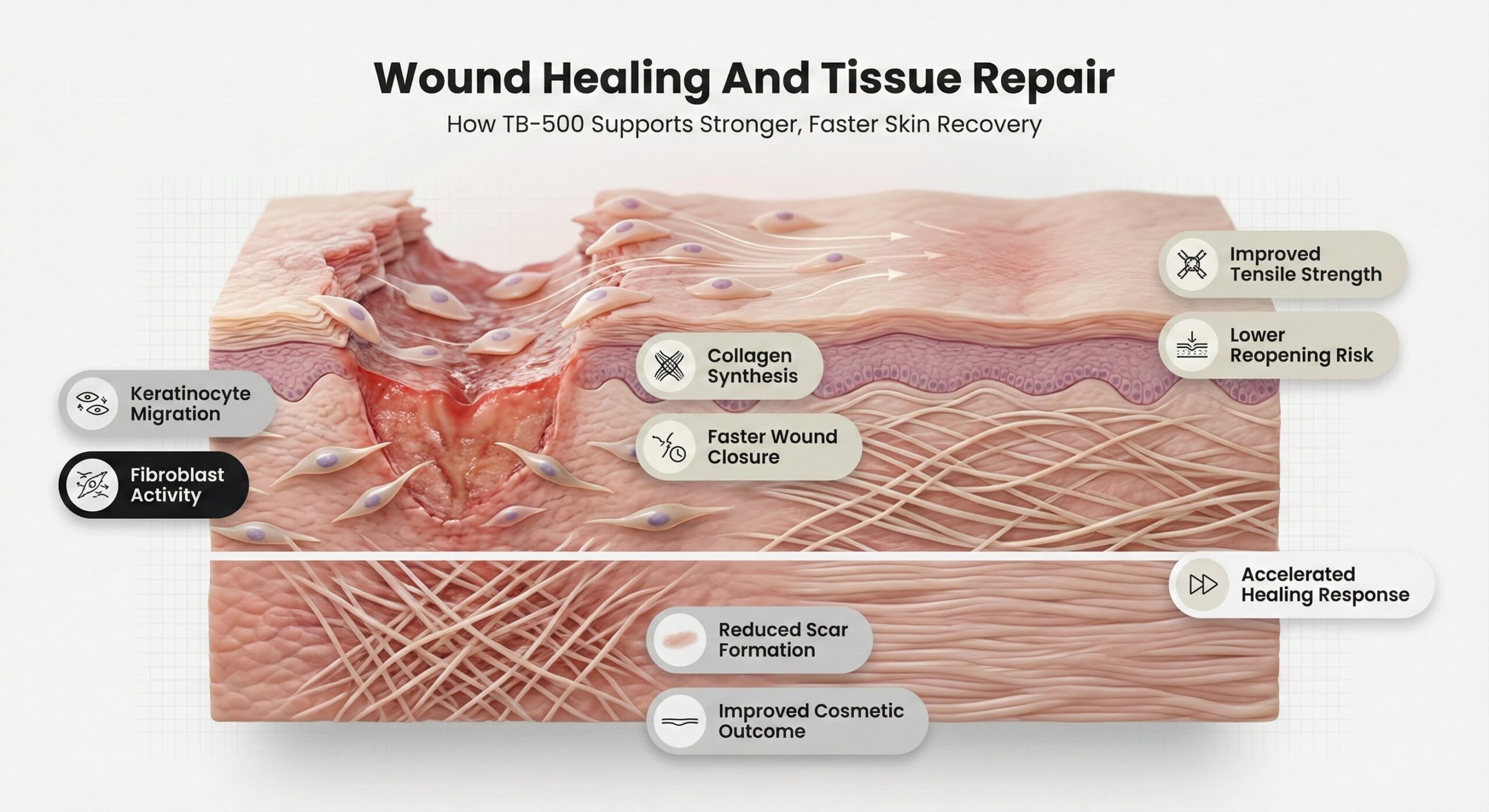
For skin wounds—whether surgical incisions, chronic ulcers, or burns—TB-500 enhances the migration of keratinocytes and fibroblasts to the wound bed. It increases collagen synthesis and improves the tensile strength of healing tissue, which reduces the risk of wound dehiscence (reopening). Topical and systemic applications demonstrate accelerated wound closure rates and improved cosmetic outcomes with reduced scar formation.
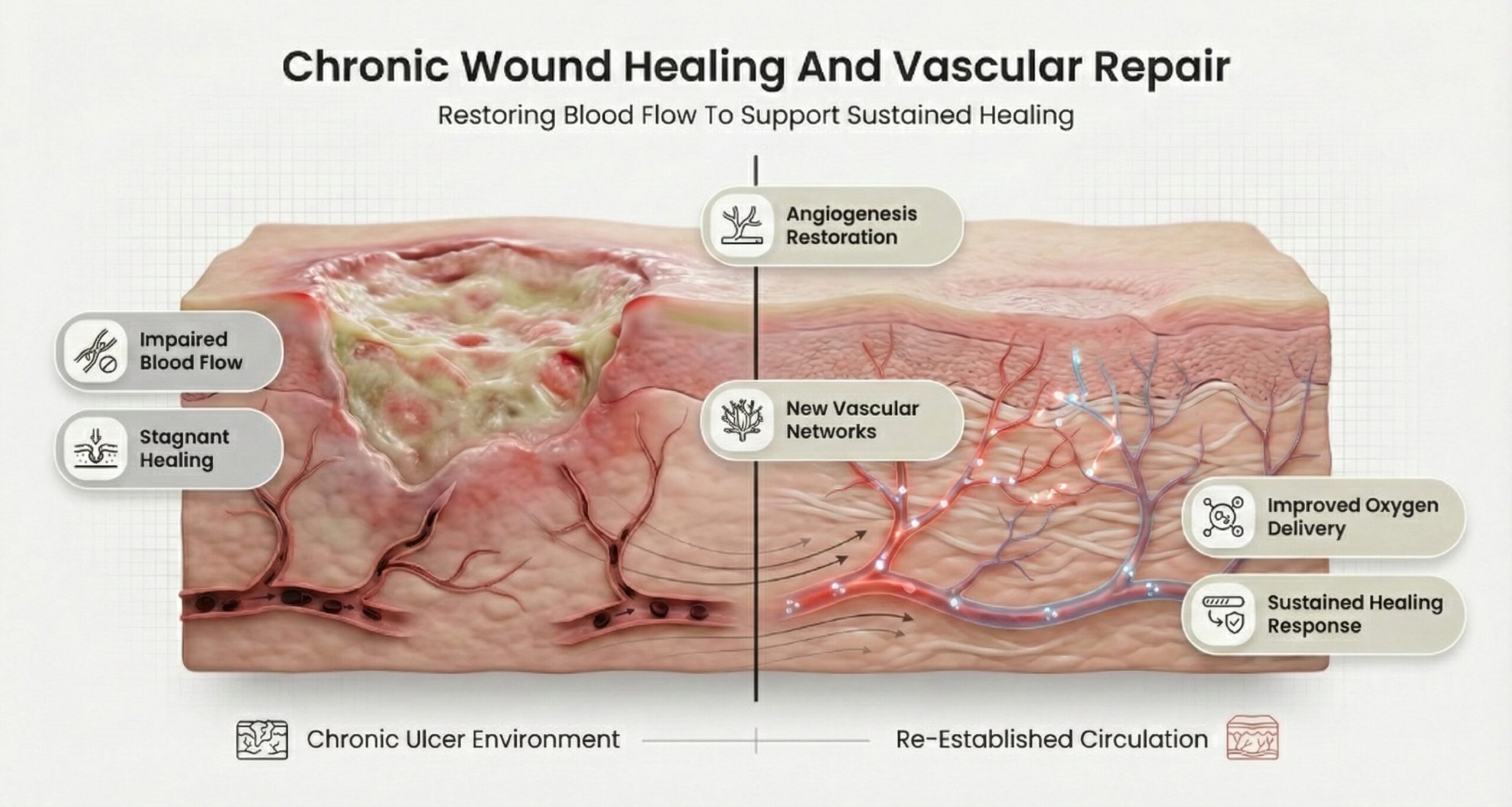
Chronic wounds, such as diabetic ulcers or venous stasis ulcers, benefit from TB-500's ability to restore angiogenesis in compromised tissue where blood flow has been impaired. By re-establishing vascular networks, the peptide supports sustained healing in areas that would otherwise remain stagnant.
Why Delivery Method Determines Whether You Actually Benefit
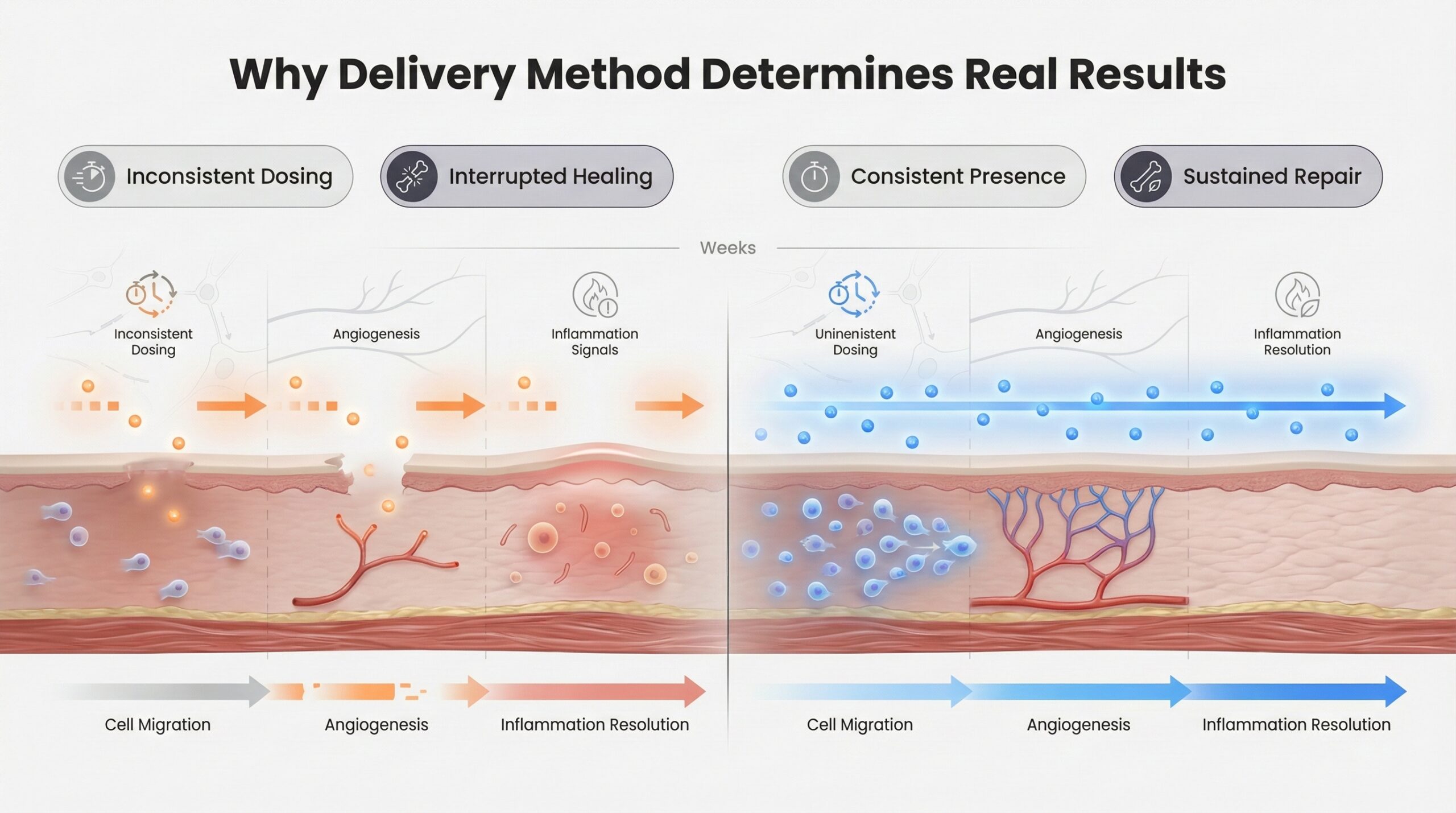
TB-500's effects depend on consistent dosing over weeks, not single administrations. Tissue repair is a multi-phase process requiring sustained peptide presence to guide cell migration, angiogenesis, and inflammation resolution throughout the healing timeline. This makes adherence—the ability to maintain a dosing schedule without interruption—critical to outcomes.
The Complexity Burden of Injectable Systems
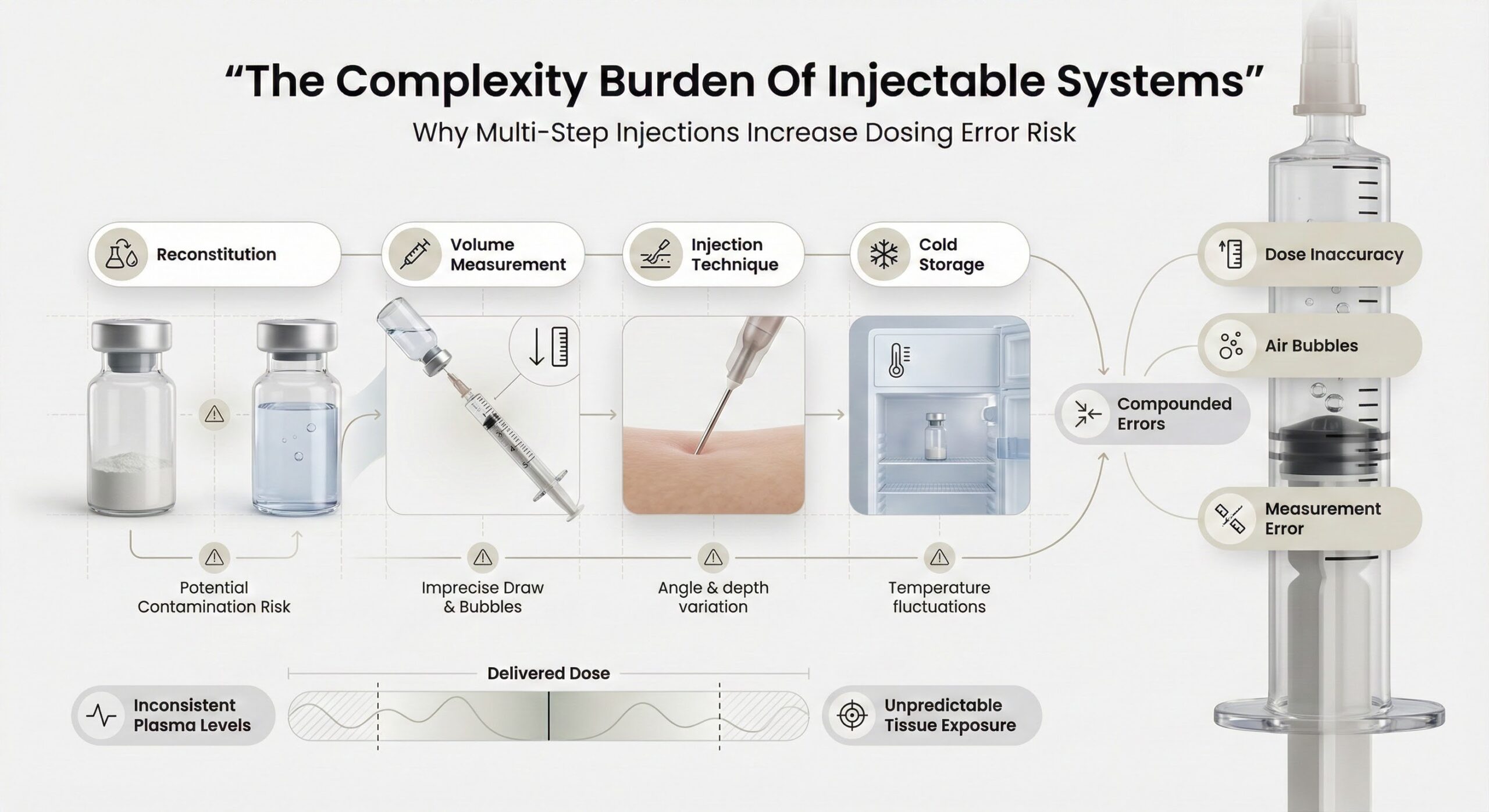
Most peptide users rely on subcutaneous injections, which require multiple preparation steps: reconstituting lyophilized powder with bacteriostatic water, drawing precise volumes with insulin syringes, selecting injection sites, and managing refrigerated storage. Each of these steps introduces opportunities for dosing error.
Research on injectable medications consistently shows that user technique affects dose accuracy. In studies evaluating self-administration of insulin using syringes and vials, median absolute percentage errors ranged from 7% to 30% depending on dose size, with some participants experiencing errors exceeding 2-3 units. While some errors were minor, others—such as incorrect dose measurement or failure to check for air bubbles—directly affected the amount of active drug delivered.[2]
For peptides like TB-500, which are supplied as freeze-dried powders requiring precise reconstitution volumes, these errors compound. A user who miscalculates dilution ratios or draws an imprecise volume may administer significantly more or less than the intended dose, leading to inconsistent plasma levels and unpredictable tissue exposure.
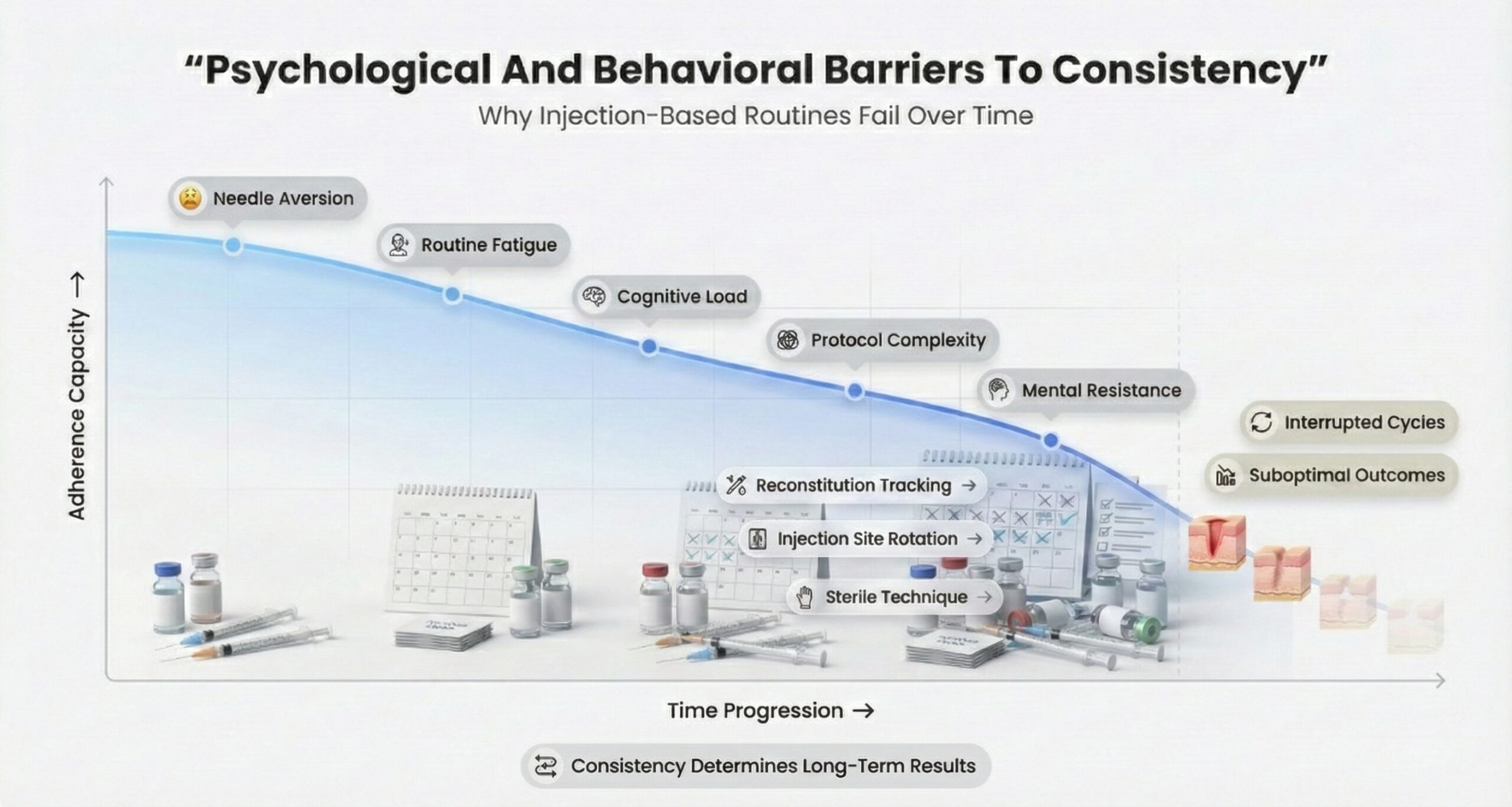
Psychological and Behavioral Barriers to Consistency
Beyond technical execution, injectables introduce psychological resistance. The daily or multi-weekly burden of needle-based administration reduces long-term adherence, particularly when the regimen becomes routine rather than novel. Studies on medication regimen complexity show that patients with low-complexity regimens were six times more likely to be adherent compared to those with high-complexity regimens.[3]
The cognitive load of maintaining a complex protocol—tracking reconstitution dates, rotating injection sites, ensuring sterile technique—creates friction that accumulates over time. For peptides requiring weeks of consistent use to produce noticeable benefits, this friction often results in interrupted cycles and suboptimal outcomes.[4]
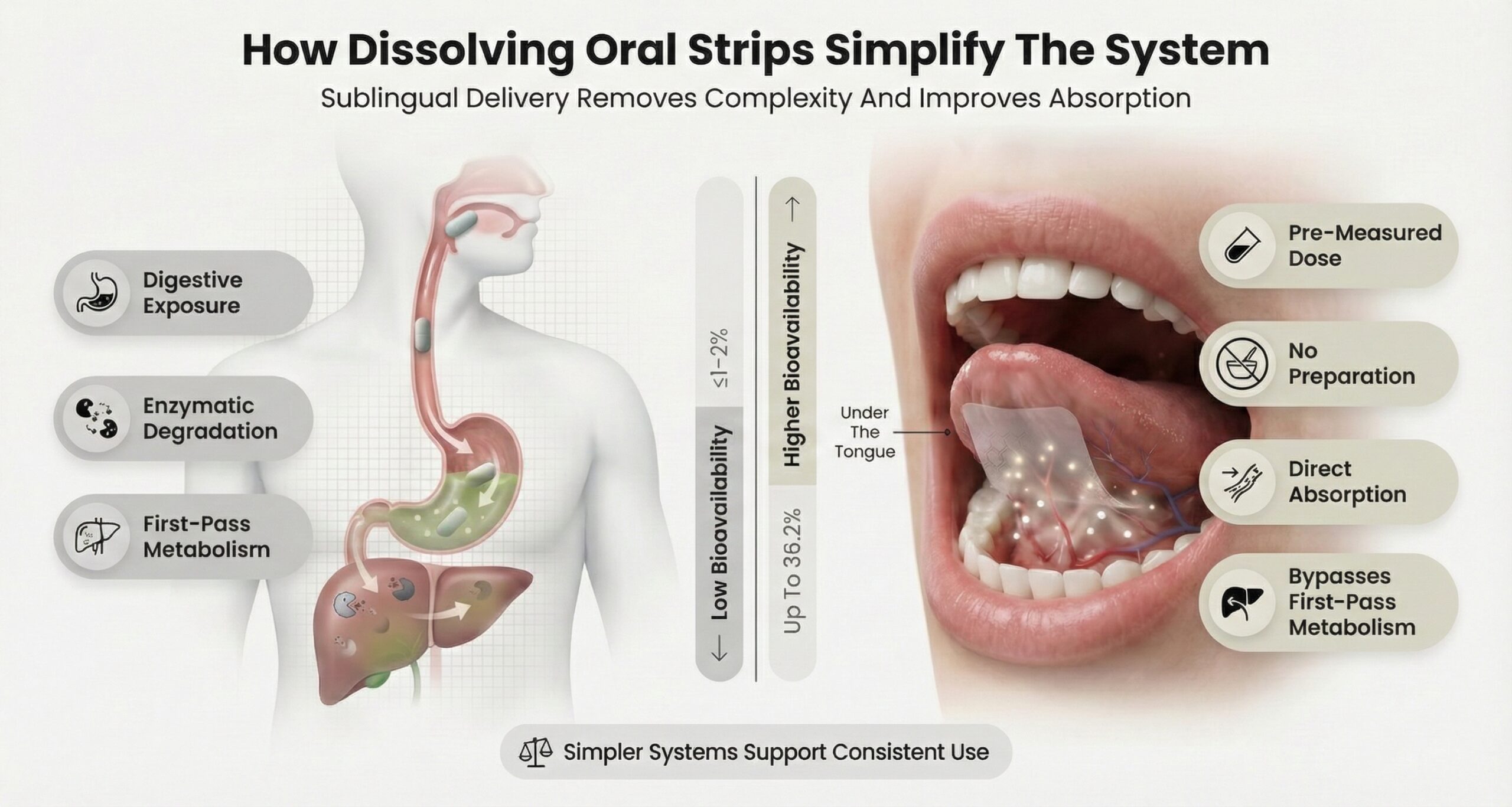
How Dissolving Oral Strips Simplify the System
Sublingual delivery via dissolving strips removes the preparation complexity entirely. Each strip contains a pre-measured dose that dissolves within seconds upon contact with the tongue, allowing peptides to absorb directly through the sublingual mucosa and enter the bloodstream without passing through the digestive system. This bypasses first-pass hepatic metabolism, the process that degrades orally ingested peptides in the stomach and liver.
Sublingual delivery achieves bioavailability significantly higher than oral administration by avoiding enzymatic degradation. Studies show sublingual administration can reach bioavailability as high as 36.2%, compared to ≤1-2% for traditional oral routes. By bypassing first-pass metabolism and preventing enzymatic exposure, sublingual strips deliver peptides directly into systemic circulation.[5]
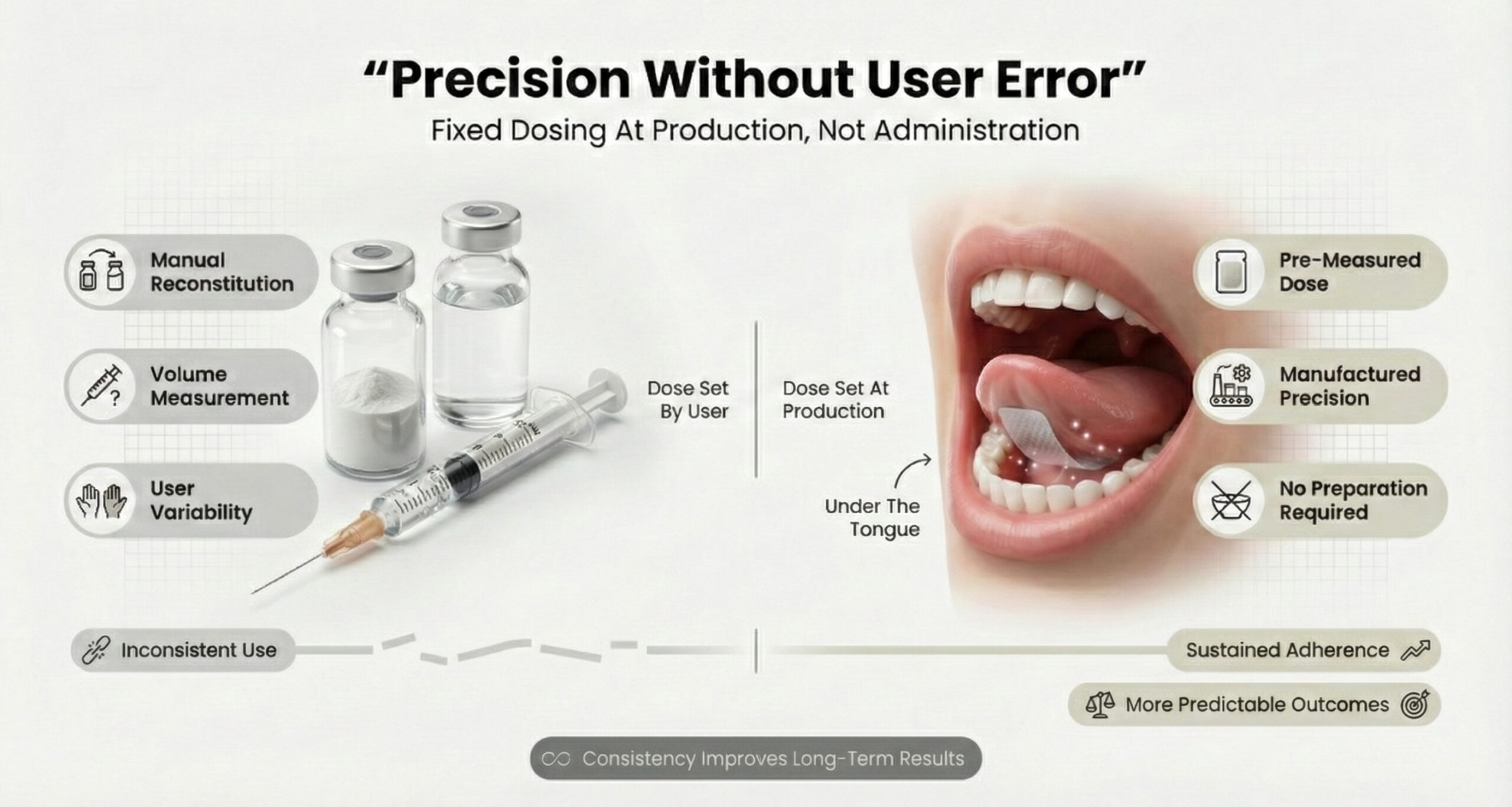
Precision Without User Error
Each strip is manufactured with exact peptide content, eliminating the variability introduced by manual reconstitution and syringe measurement. The dose is fixed at the point of production, not the point of administration, which means the only variable is whether the user takes the strip—not whether they prepared it correctly.
This standardization directly addresses the adherence gap seen with injectables. When the barrier to administration is reduced to placing a strip under the tongue, the cognitive and behavioral friction that erodes consistency is removed. For a peptide like TB-500, where sustained use over weeks determines outcomes, this difference in adherence translates to more predictable results.
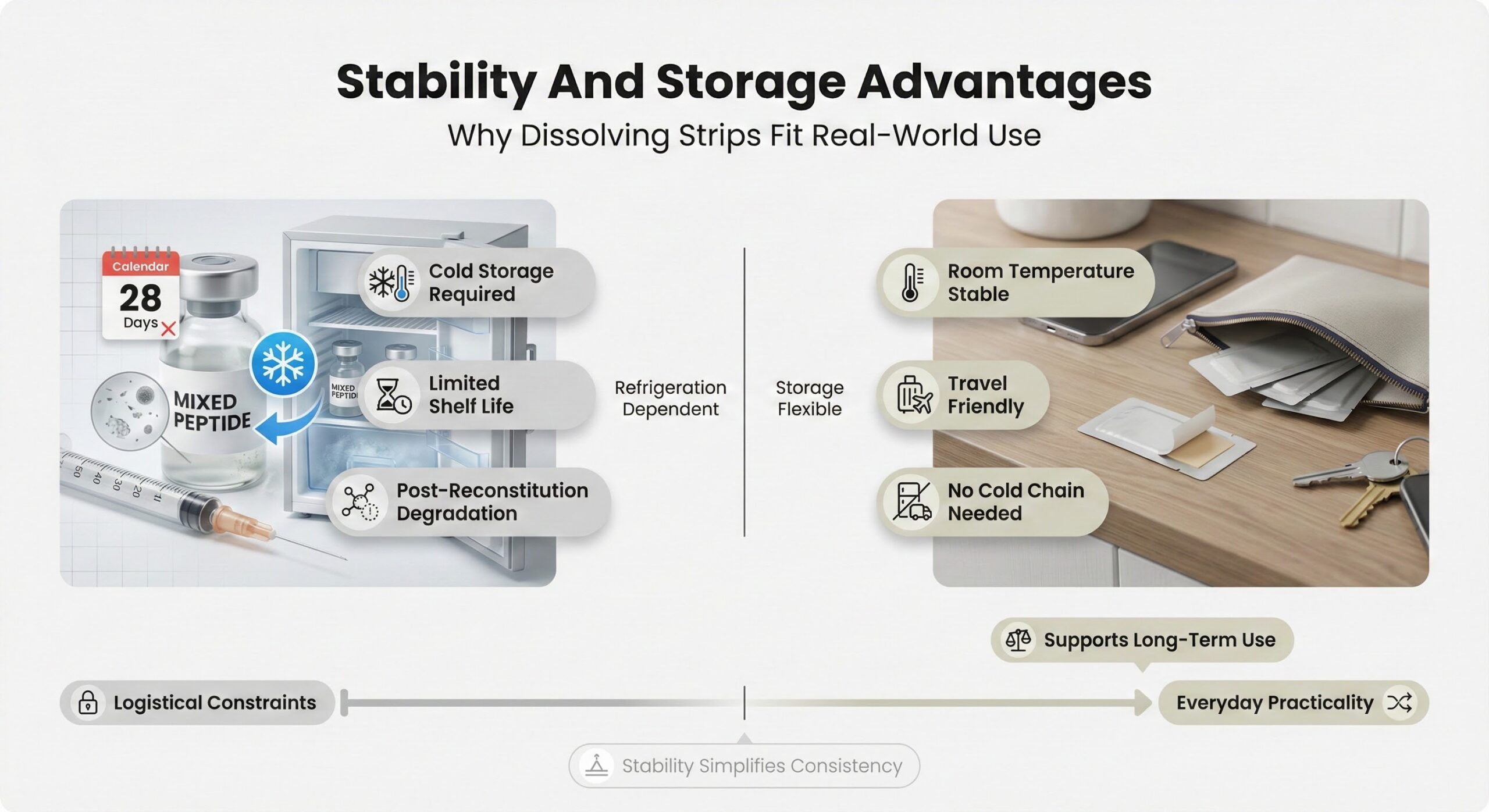
Stability and Storage Advantages
Dissolving strips are stable at room temperature or minimal refrigeration, depending on formulation, which eliminates the cold-chain storage requirements of reconstituted peptides. Once an injectable peptide is mixed with bacteriostatic water, it must be refrigerated and used within a limited timeframe—typically up to 28 days—to prevent degradation. Strips bypass this concern entirely, making them practical for travel, variable schedules, and long-term use without logistical complications.
What This Means for Recovery Goals
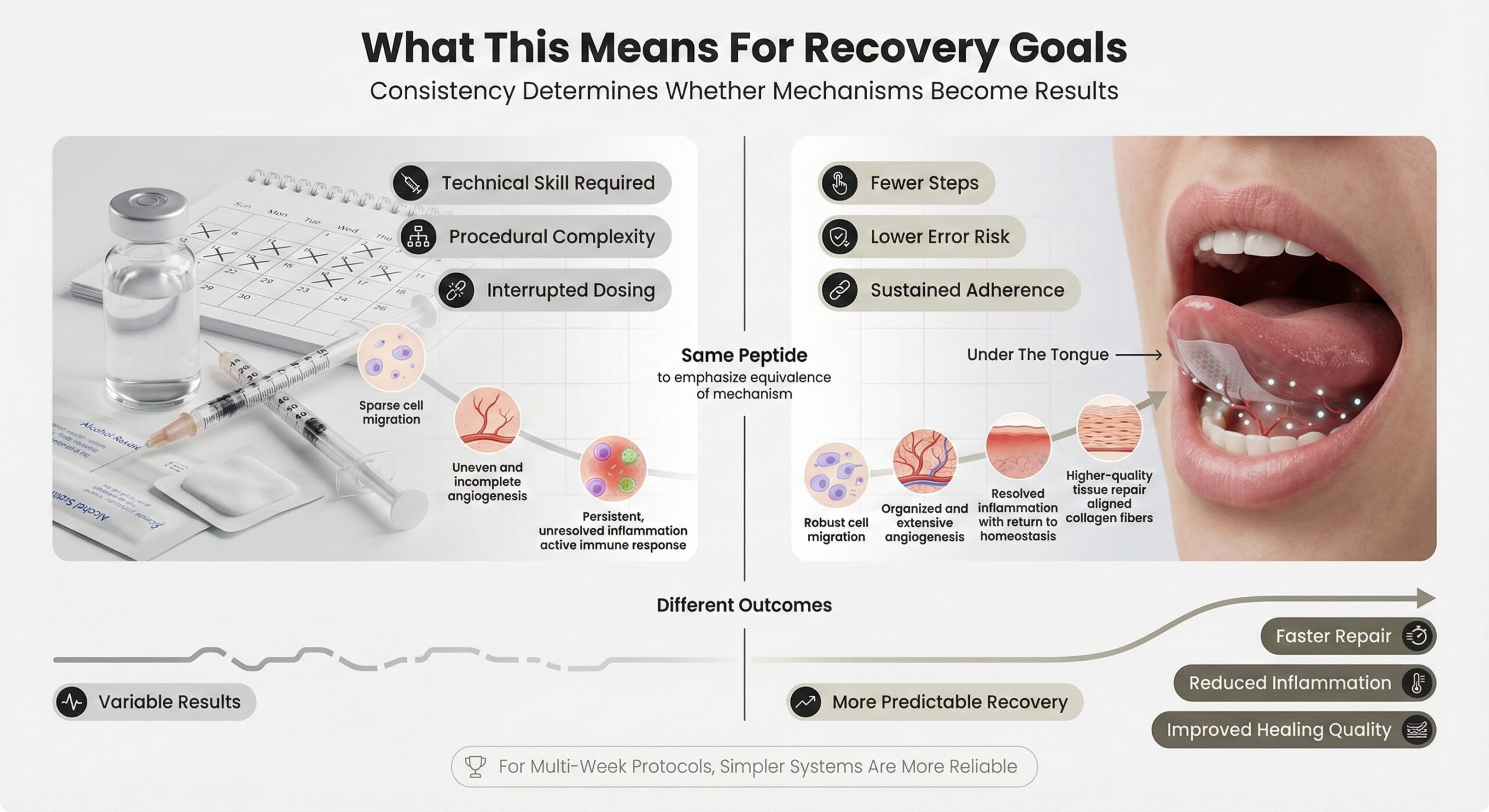
If your objective is faster tissue repair, reduced inflammation, or improved healing quality, TB-500 offers a mechanism-driven approach backed by research on cell migration, angiogenesis, and inflammation modulation. But mechanism alone doesn't determine whether you experience those benefits in practice. Consistency does.
Injectable systems work when executed correctly, but they require technical skill, psychological commitment, and tolerance for procedural complexity. Dissolving strips deliver the same peptide with fewer steps, less room for error, and greater likelihood of sustained adherence. For outcomes that depend on weeks of uninterrupted dosing, the simpler system is the more reliable one.[3]
References
- Maar K et al. "Utilizing Developmentally Essential Secreted Peptides Such as Thymosin Beta-4 to Remind the Adult Organs of Their Embryonic State-New Directions in Anti-Aging Regenerative Therapies." Cells. 2021. [View Study]
- Kondo M et al. "Analysis of factors affecting the accuracy of low-dose insulin dosage using syringes and vials: a cross-sectional study in a Japanese regional hospital." Diabetol Int. 2024. [View Study]
- [View Study]
- Elnaem MH et al. "Impact of Medication Regimen Simplification on Medication Adherence and Clinical Outcomes in Patients with Long-Term Medical Conditions." Patient Prefer Adherence. 2020. [View Study]
- Khopade S et al. "Sublingual Delivery of Human GLP-1 Loaded Nanoliposomal Hydrogel for Treatment of Type 2 Diabetes Mellitus." AAPS PharmSciTech. 2025. [View Study]
- Smith MY et al. "Reducing drug self-injection errors: a randomized trial comparing a "standard" versus "plain language" version of Patient Instructions for Use." Res Social Adm Pharm. 2013. [View Study]
Read More

Preventing Overuse Injuries: The Role of Recovery
March 11, 2026
What GMP Certification Means for Supplement Quality
March 10, 2026
Why Peptide Capsules are Often Ineffective
March 10, 2026